
10 Best Foods for Brain Health That You Should Include in Your Diet

We may earn a commission for purchases made using our links. Please see our disclosure for more details.
Your brain works hard for you every single day, and the way you nourish it can shape how clearly you think, how well you focus, and how much energy you feel. That’s why understanding the best foods for brain health matters more than ever. The right nutrients support memory, protect your neurons, and help your mind stay steady through long workdays and everyday stress. And while lifestyle habits also play a role, your diet is one of the easiest places to start. Small changes—like adding more color, healthy fats, and probiotics to your meals—can create a real difference in how sharp and balanced you feel.
10 Smart Foods to Add to Your Diet
1. Blueberries
Blueberries earn their reputation as one of the best foods for brain health thanks to anthocyanins—plant compounds that help defend the brain from oxidative stress. Research published in Nutrients shows that regular blueberry intake supports memory and improves cognitive processing speed in adults.
Toss them into oatmeal, blend them into a smoothie, or snack on them straight from the container. They may look tiny, but the benefits they deliver are surprisingly strong.
2. Salmon
Fatty fish like salmon are loaded with DHA, an omega-3 fatty acid that plays a central role in brain structure and communication. A review from Frontiers in Aging Neuroscience found that consistent omega-3 intake correlates with improved memory and slower age-related cognitive decline.
If you’re not a seafood person, try air-fried salmon or salmon burgers—they create the same benefit with a more approachable flavor.
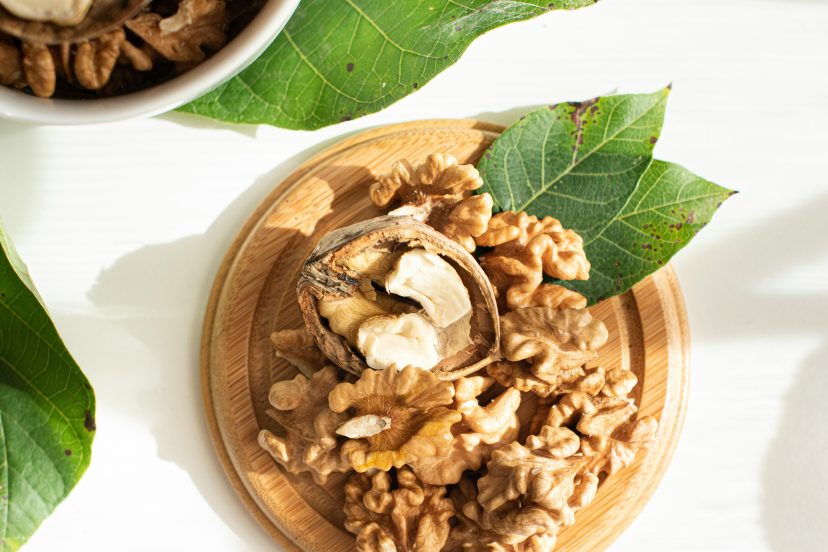
3. Walnuts
Walnuts offer plant-based omega-3s, antioxidants, and polyphenols that help protect neurons. A study from The Journal of Nutrition, Health & Aging found that adults who consumed nuts regularly performed better on cognitive tests.
Sprinkle walnuts over salads, yogurt bowls, or roasted vegetables. Just a handful each day is enough to support noticeable changes.
4. Leafy Greens
Spinach, kale, arugula, and Swiss chard contain lutein, folate, and vitamin K—all linked to long-term brain health. Research published in Neurology found that adults who ate leafy greens daily had the cognitive performance of people 11 years younger.
Leafy greens are easy to add to soups, scrambles, and grain bowls.
5. Eggs
Eggs contain choline, a nutrient essential for acetylcholine production—your brain’s key neurotransmitter for memory. According to a review in Nutrients, higher choline intake is associated with better cognitive performance in adults.
Scrambled or hard-boiled, eggs are one of the simplest daily brain boosters.

6. Turmeric
Turmeric’s key compound, curcumin, is known for its strong ability to calm inflammation. Studies from Frontiers in Psychology show curcumin may support working memory and emotional balance.
Add turmeric to soups, rice, or lattes. Just don’t forget black pepper—the piperine helps your body absorb curcumin more effectively.
7. Dark Chocolate
Dark chocolate offers flavanols that help enhance circulation to the brain. A study published in The American Journal of Clinical Nutrition found that cocoa flavanols can enhance cognitive function, especially in tasks that require sustained attention.
Choose chocolate with 70% cocoa or higher for the best effect.
8. Avocados
Your brain thrives when blood flow is strong, and avocados help make that happen. They’re rich in monounsaturated fats that support vascular health and steady cognitive function. They’re also versatile—spread them on toast, blend them into smoothies, or mash them into a dip.
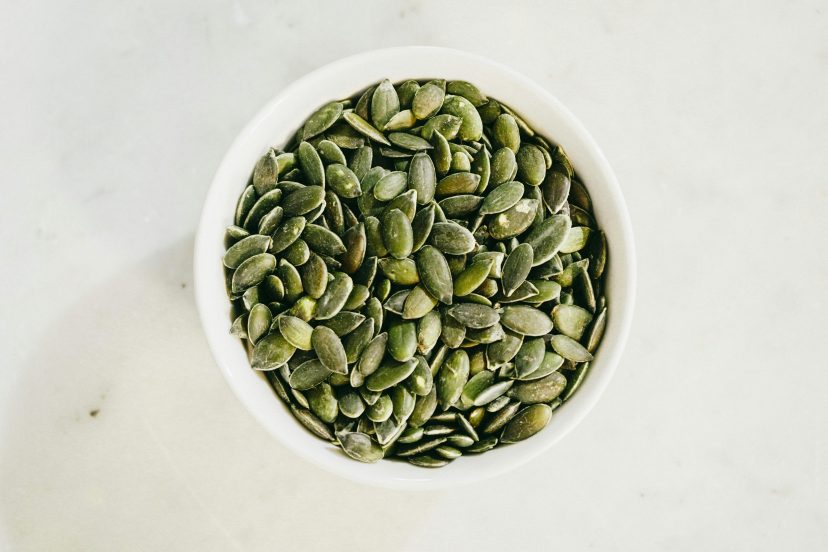
9. Pumpkin Seeds
Pumpkin seeds are loaded with magnesium, zinc, iron, and antioxidants—nutrients linked to mood regulation, memory, and sharper thinking. Several studies suggest magnesium plays a key role in reducing brain fog and promoting relaxed alertness.
A small handful makes an easy afternoon pick-me-up.
10. Greek Yogurt
Your gut and your brain communicate constantly, and Greek yogurt helps nurture this relationship. Its probiotics support the gut microbiome, which research in Frontiers in Psychiatry links to improved emotional balance and cognitive clarity.
Add honey, blueberries, or pumpkin seeds for a brain-boosting combo.
Recommended Products
Here are well-reviewed, highly trusted options that support brain-friendly eating:
1. Viva Naturals Omega-3 Fish Oil – High-potency DHA/EPA for cognitive and heart support.
2. Organic Dried Blueberries – Great antioxidant boost for snacking or baking.
3. Nature’s Way Turmeric Curcumin – Highly absorbed curcumin with black pepper extract.
4. Anthony’s Organic Pumpkin Seeds – Nutrient-rich, magnesium-packed seeds for daily focus.
5. Chobani Zero Sugar Greek Yogurt – Protein + probiotics for gut-brain support.
Why Certain Foods Support Sharper Thinking
When it comes to supporting long-term brain health, everyday foods can make a big difference. Blueberries offer antioxidant-rich polyphenols that help protect brain cells. Salmon provides omega-3 fats that keep your brain sharp and support clear communication between neurons. Walnuts add plant-based omega-3s to your diet. Leafy greens like spinach or kale supply vitamins and minerals linked to slower cognitive aging. This connection appears in a prospective study on leafy-green intake showing that daily servings support stronger cognitive performance over time.
Eggs also play a role. Their choline content helps your body produce the neurotransmitter needed for memory. Turmeric brings curcumin into the mix, a compound known for supporting mental clarity and emotional balance. It also provides flavanols that support healthier, more efficient blood flow to your brain. Avocados contribute healthy fats that help maintain steady circulation. Pumpkin seeds offer magnesium and zinc, two minerals important for calm focus and healthy thinking. Greek yogurt supports the gut–brain axis through probiotics that influence mood and cognitive function.
All of these foods fit well with research on brain-healthy dietary patterns, which shows that nutrient-dense choices—like berries, leafy greens, nuts, and omega-3–rich fish—are linked to better memory and slower cognitive decline.
Additional Habits That Improve Cognitive Performance
Eating well is powerful, but healthy routines amplify those benefits:
- Take intentional breaks throughout the day
- Sleep at least 7–8 hours
- Move your body regularly
- Reduce chronic stress
- Stay mentally engaged
Small changes add up quickly, especially when paired with the foods you’re now learning to prioritize. Taking small, intentional breaks throughout the day helps your brain reset and stay productive. If you need ideas, these simple brain breaks for adults offer quick ways to refresh your mind without losing momentum.
Conclusion
Supporting your brain doesn’t require dramatic lifestyle changes. When you add nutrient-rich foods like blueberries, salmon, walnuts, leafy greens, and turmeric to your diet, you nourish your body and sharpen your mind at the same time. Best foods for brain health deliver vitamins, antioxidants, and healthy fats that help your brain stay resilient as you move through life’s demands. Whether you want better focus at work or stronger memory as you age, building a brain-healthy eating routine is one of the smartest steps you can take.
FAQs
1. What is the single best food for brain health?
There isn’t one “best” food, but omega-3 rich fish and antioxidant-dense berries are consistently top performers.
2. How quickly do brain-boosting foods work?
Some benefits—like better focus—can appear within days, while long-term cognitive protection builds over months.
3. Can diet alone improve memory?
Diet plays a major role, but sleep, exercise, and mental stimulation help amplify the benefits.
4. Are supplements needed for the brain to be healthy?
Not always. Many people can get enough nutrients from whole foods, but supplements are helpful if your diet is limited.
5. How many times should I eat those foods?
Daily is ideal. Even small servings make a difference when eaten consistently.