
12 Brain Breaks For Adults To Boost Focus

We may earn a commission for purchases made using our links. Please see our disclosure for more details.
Staying focused for long stretches isn’t easy, especially when work, stress, and constant distractions compete for your attention. That’s why adding simple brain breaks for adults into your routine can make a noticeable difference in how well you think, create, and stay productive. These short resets help clear mental fatigue, steady your mood, and bring your focus back online—without interrupting your day or slowing your momentum.
What Brain Breaks Are and Why They Work
Brain breaks are short, structured pauses (usually 3–5 minutes) that help reset your mind during focused work. They interrupt mental fatigue, improve attention, and make it easier to stay engaged. These breaks typically include simple movement, calming mindfulness, or quick sensory or creative activities.
Their purpose is straightforward: restore focus, improve mood, and prevent burnout. Most people benefit from taking one every 10–30 minutes of concentrated effort. Movement increases oxygen and blood flow to the brain, mindfulness reduces stress, and creative or sensory tasks provide a quick mental shift.
Although brain breaks are common in classrooms, they’re equally effective for teens and adults. They give the brain time to process information, reset energy levels, and return to tasks with better clarity and performance.

The 12 Brain Breaks to Refresh Your Mind
1. Take a Quick Walk Outside
A short 3–5 minute walk works wonders for resetting your mind. The shift in scenery, oxygen intake, and natural light increase alertness and lift your mood. Even circling your office floor helps. Research shows that walking boosts creative thinking and cognitive flexibility.
2. Stretch Your Neck, Shoulders & Back
Most adults hold stress in these three areas. A simple stretch routine reduces muscle tension, awakens your posture, and improves blood flow. Because physical discomfort drains cognitive energy, stretching gives your brain space to refocus.
3. Dance to One Song
Pick your favorite upbeat track, put on your headphones, and let loose. No choreography needed—just move. This boosts dopamine, your “motivation chemical,” and interrupts mental fatigue fast.
4. Do 20–30 Jumping Jacks
This quick burst of cardio wakes up your nervous system and increases circulation in under 30 seconds. It’s one of the fastest ways to overcome afternoon sluggishness.
5. Deep Breathing Reset
Slow, controlled breaths lower your heart rate and activate the parasympathetic nervous system—your body’s natural “calm switch.” Take a slow four-count inhale, pause briefly for two, and then breathe out for a steady six-count release.
6. Mindful Visualization
Close your eyes and picture a calming setting: a quiet forest, a beach at sunrise, or any place that feels grounding. Your brain responds as if you’re actually there, giving you a mini mental vacation.
7. Mini Body Scan Meditation
Start at your toes and work your way up, noticing where tension lives. Release each area as you go. This quick reset grounds your attention and reduces mental static.
8. Solve a Quick Puzzle or Riddle
A short mental challenge activates logic and working memory without overwhelming you. Sudoku, crosswords, and riddles sharpen cognitive agility.
9. Doodle or Sketch Random Shapes
You don’t need art skills—just start moving your pen. Free-form doodling boosts creativity and helps your brain transition away from stress.
10. Journaling for One Minute
Write down your thoughts, frustrations, gratitude, or next steps. Getting words out of your head creates space for clarity.
11. Listen to One Mood-Shifting Song
Put on a soothing or energizing track depending on what you need. Music changes your emotional state fast and helps reset your concentration.
12. Talk to a Colleague or Friend
A 60-second conversation can lighten your mood, reduce feelings of isolation, and give your mind a healthy pause.
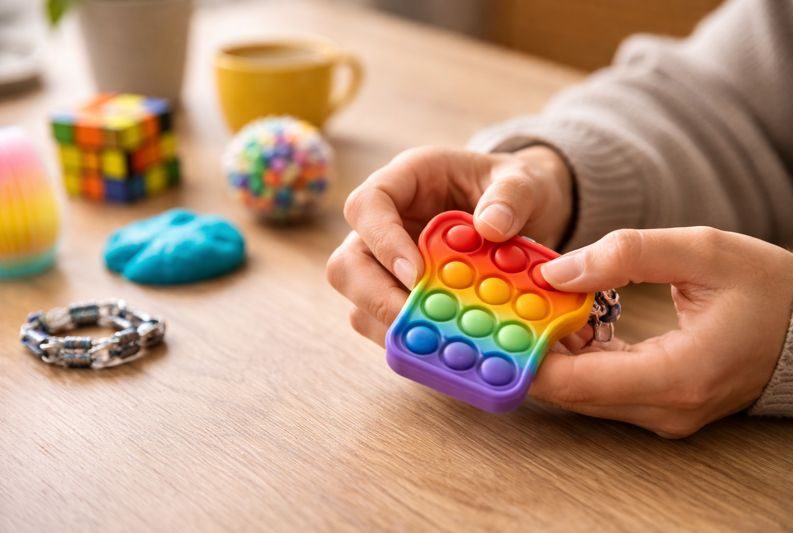
Must-Have Items for Better Mental Breaks
Here are five highly relevant tools that make your brain breaks easier, more enjoyable, and more effective:
1. Infinity Fidget Cube for Adults
A compact stress-relief gadget perfect for restless hands. It helps redirect anxious energy and improves micro-focus during transitions.
2. Adult Brain Games & Puzzle Book
Filled with Sudoku, logic puzzles, and quick brain teasers—great for mental stimulation during short breaks.
3. Under-Desk Elliptical Pedal Exerciser
Ideal for light movement during long work sessions without leaving your desk. Great for circulation and sustained focus.
4. Mindfulness Prompt Cards
Each card provides a simple grounding or reflection exercise. Easy to use when you need a calm, guided reset.
5. Adult Coloring Book + Gel Pen Set
Coloring lowers stress, supports creativity, and provides a quiet, soothing sensory break.
Why Mindfulness and Movement Make Brain Breaks So Effective
Two major studies actually prove why simple brain breaks work so well. Research highlighted by the American Psychological Association shows that mindfulness meditation lowers stress, sharpens attention, and helps your brain stay steady even during busy days, which explains why a quick breathing exercise or visualization session can refresh your focus almost instantly.
Meanwhile, a well-known Stanford study found that walking boosts creative thinking by up to 60%, meaning even a short hallway stroll or a loop around your block can help you break through mental fog and spark better ideas.
These findings make one thing clear: you don’t need long breaks to feel better—just a mindful moment or a few minutes of movement can reset your brain in powerful ways.
Final Thoughts
Brain breaks for adults aren’t a luxury—they’re a productivity essential. When you intentionally pause, move, breathe, create, or reset your senses, you give your mind the energy it needs to work smarter, not harder. Try adding two or three of these breaks into your daily routine and notice how much easier it becomes to focus, stay calm, and think clearly.
Whether you’re juggling work deadlines, parenting, studying, or trying to stay energized through long seasons of life, these brain breaks offer simple, effective ways to keep your mental clarity strong. And if you’re exploring more ways to boost cognitive performance, check out this helpful nootropic guide for additional science-backed tools.
FAQs
1. How often should adults take brain breaks?
Every 45–90 minutes is ideal. If you feel your attention slipping sooner, a quick reset can help.
2. How much time should you set aside for a brain break?
Most effective breaks take 1–5 minutes. They don’t need to be long to work.
3. Are physical brain breaks better than mental ones?
Both help in different ways. Physical breaks boost circulation and energy, while mental breaks support clarity and creativity.
4. Can brain breaks help with burnout?
Yes. Consistent small pauses reduce stress, prevent overload, and support emotional regulation over time.
5. What if I don’t have time for breaks during work?
Even a 30-second stretch or breathing exercise helps. The goal is consistency, not duration.