
Having Trouble Staying Focused? These Concentration Tips Will Help!

We may earn a commission for purchases made using our links. Please see our disclosure for more details.
Staying focused can feel harder than ever. Notifications, stress, poor sleep, and constant multitasking pull your attention in different directions throughout the day. The good news is that focus is not something you are born with or without. It is a skill you can strengthen. In this guide, you will discover practical concentration tips that help you cut distractions, sharpen your attention, and get more done without feeling overwhelmed.
The Biggest Reasons Your Attention Keeps Slipping
Sometimes the issue is obvious. You are tired. Hungry. Overstimulated. Bored. Other times it is sneakier. You may be trying to do too much at once and you may not know what the next step is. You may be starting the day in reaction mode instead of intention mode.
Common focus killers include:
- unclear priorities
- constant notifications
- poor sleep
- mental fatigue
- stress
- frequent task switching
- cluttered workspaces
- too much caffeine too late in the day
The upside is that each one is fixable. Now, let’s explore some concentration tips to help you stay focused.
Start With One Clear Goal
A scattered day often starts with a scattered target.
Instead of saying, “I need to work,” define one concrete outcome. Finish the outline. Reply to five emails. Study chapter three. Edit the presentation. Clear goals reduce decision fatigue because you do not have to keep asking yourself what to do next.
I like this simple question: What would make this hour feel useful? That one question can rescue a drifting day fast.
Use Time Blocks Instead Of Vague To-Do Lists
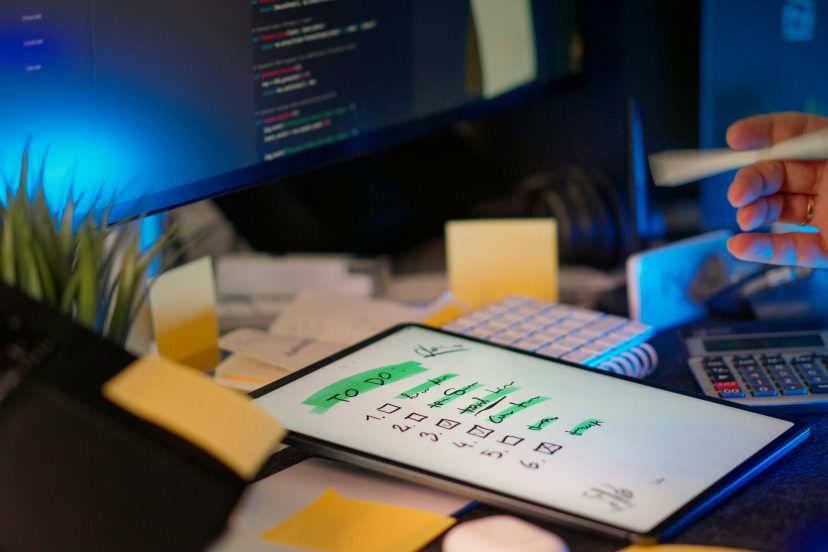
To-do lists can help, but they also let you pretend everything will magically fit into one day. Time blocks are more honest.
Choose one task. Give it 25, 45, or 60 minutes. Work on that task only. Then pause. This approach creates a boundary around your attention, and that boundary makes focus easier.
You do not need a fancy system. Even a basic schedule like this works:
- 9:00 to 9:30: outline report
- 9:30 to 9:40: break
- 9:40 to 10:20: write draft
- 10:20 to 10:30: reset
Simple beats impressive.
Cut Digital Distractions Before They Cut You Off
This one is big. You cannot expect deep focus while your phone keeps tapping you on the shoulder.
Turn off nonessential notifications. Put your phone out of reach. Close tabs you are not using. Use full-screen mode. Log out of platforms that tempt you. Make distraction slightly inconvenient, and you will notice a difference almost immediately.
If you work online, create a clean browser setup. One task. One window. One purpose.
That may sound basic, but basic fixes are often the ones that work.
Build A Workspace That Helps You Think
Your environment affects your attention more than most people realize. A noisy, cluttered, uncomfortable setup makes concentration harder. A calm, functional setup removes friction.
You do not need a picture-perfect office. You just need a space that supports the task in front of you.
Try this:
- keep only the essentials on your desk
- use good lighting
- reduce background noise
- keep water nearby
- sit somewhere that feels comfortable but alert
If mental fog has been a pattern for you, it also helps to build habits that support clearer thinking overall. A practical next step is to read more about how to improve mental clarity and use that as part of your wider focus routine.
Train Your Brain To Do One Thing At A Time
Single-tasking sounds almost too obvious, but it is one of the strongest concentration tips out there.
When you jump between tasks, your brain has to reorient every time. That restart costs energy. Over the course of a day, those little losses add up.
Pick one task. Stay with it until you finish a clear chunk. Then switch on purpose. Not because a notification popped up. Not because another idea appeared. On purpose.
That one habit can make you feel sharper within days.
Take Breaks Before Your Brain Forces One
A lot of people wait until they feel cooked, then call it a break. That is like waiting until your car runs out of gas before looking for a station.
Planned breaks work better.
Stand up. Stretch. Walk for a few minutes. Look away from your screen. Breathe. Let your eyes and brain reset. Short breaks can protect your attention instead of interrupting it.
You do not need a long break every time. Even five minutes can help.
Sleep More If You Want To Focus Better
This is the part many people want to skip, but it matters. You cannot build good concentration on a tired brain.
The CDC says inadequate sleep disrupts important brain processes and impairs cognitive functioning. It also notes that getting enough sleep helps people stay focused and improve concentration.
In other words, if you are trying every productivity trick in the world while sleeping badly, you are making the job harder than it needs to be.
Move Your Body To Wake Up Your Mind
Exercise is not just about fitness. It can also support cognitive function.
A major review on physical activity, cognition, and brain outcomes found moderate evidence that long-term moderate-to-vigorous physical activity supports cognitive outcomes in older adults. While that research is stronger in older groups, the broader takeaway still matters: movement supports brain health.
You do not need marathon energy here. A brisk walk, short mobility session, or quick workout can help you feel more alert and mentally switched on.
Watch Your Caffeine Timing
Caffeine can help focus, but only when you use it well. Too much can leave you jittery. Too late can mess with sleep. Then poor sleep wrecks tomorrow’s attention. Not exactly a great trade.
Try using caffeine earlier in the day and pairing it with water and food. Think of it as support, not a substitute for rest.

Eat And Hydrate Like Your Brain Matters
You do not need a perfect diet to focus better. You do need steadier fuel.
Skipping meals, living on sugar spikes, or forgetting water can make attention crash fast. Balanced meals, enough protein, fiber, and hydration can keep your energy more stable, which makes concentration easier too.
This is one of those boring tips that turns out to be weirdly powerful.
Try Simple Mindfulness When Your Thoughts Feel Scattered
Mindfulness does not have to mean sitting cross-legged for an hour while pretending you do not have emails.
At its core, mindfulness is just training attention. You notice your mind drift, and you bring it back. That same skill shows up when you are trying to focus on reading, writing, studying, or problem-solving.
Research reviews suggest mindfulness can support psychological well-being, reduce stress, and improve sleep quality, which can indirectly help focus. Some studies also suggest it may help with attention regulation.
A simple place to start:
- Set a timer for two minutes.
- Breathe slowly.
- When your mind wanders, bring it back.
- Repeat without judging yourself.
That is it. Tiny practice. Real benefit over time.
Create A Reset Routine For Low-Focus Days
Some days your brain just will not lock in. That happens to everybody.
Instead of forcing a perfect day, use a reset routine:
- clear your desk
- drink water
- choose one task
- set a timer for 15 minutes
- start badly if needed
A short reset breaks the spiral. Once you begin, momentum often takes over.
Helpful Tools That Support Better Concentration
You do not need to buy your way into better focus, but the right tools paired with concentration tips can make good habits easier to stick with. Here are five useful picks worth considering:
1. Pomodoro timer cube
A dedicated timer helps you work in focused sprints without checking your phone. Products like the Ticktime TK3 and similar timer cubes offer built-in work and break presets, which makes time blocking feel almost automatic.
2. Blue light blocking glasses
If you spend long hours at a screen, blue light glasses may help reduce eye strain and make work sessions feel more comfortable, especially in the evening.
3. A productivity planner
A structured planner can turn a vague day into a focused one. Options like the Advanced Productivity Planner, Full Focus Planner, and similar systems emphasize top priorities, time blocking, and habit tracking.
4. Noise-cancelling earbuds
If your environment is the problem, this is one of the simplest upgrades. Noise-cancelling earbuds can make it easier to protect your attention in shared spaces, during travel, or while working from home.
5. Large water bottle with time markers
This one is less glamorous, but very practical. Hydration affects how you feel, and tools that make water intake easier often help support better daily energy and consistency.
How Multitasking and Mindfulness Affect Your Ability to Focus
Research shows that focus improves when you reduce distractions and train your attention intentionally. According to the American Psychological Association’s findings on multitasking and switching costs research, constantly switching between tasks forces your brain to reset, which slows performance and increases mistakes. In short, doing one thing at a time helps you work faster and think more clearly.
At the same time, a comprehensive review published in Neuropsychology Review found that mindfulness-based programs improve attention and executive function when practiced consistently. Even brief mindfulness exercises can strengthen focus and make it easier to stay on task.
Limit task switching and practice simple mindfulness habits (plus concentration tips) to support stronger concentration throughout the day.
Conclusion
Staying focused is not about forcing yourself to work harder. It is about creating the right conditions for your brain to do its best work. Small changes like limiting distractions, working in time blocks, getting enough sleep, and taking regular breaks can make a noticeable difference in how well you concentrate each day.
The most effective concentration tips are the ones you can repeat consistently. You do not need a perfect routine or endless motivation. You just need a few reliable habits that support your attention and help you stay on track. Start with one change today, build momentum over time, and you will likely find that focus becomes less of a struggle and more of a natural part of your workflow.
FAQs
1. What are the best concentration tips for beginners?
Start with one task at a time, use a timer, silence notifications, and take short breaks. Those four habits are simple, realistic, and effective.
2. Can poor sleep really affect concentration?
Yes. Sleep plays a major role in attention, memory, and mental performance. When you sleep badly, focus usually gets worse too.
3. How long should I focus before taking a break?
Many people do well with 25 to 50 minutes of focused work followed by a short break. Test a few options and see what feels sustainable.
4. Does multitasking hurt concentration?
Usually, yes. What feels like multitasking is often task switching, and that switch can lower productivity and increase mental strain.
5. Are concentration tools worth buying?
They can help, especially if they reduce friction. A timer, planner, or noise-cancelling earbuds will not create discipline for you, but they can make better habits easier to follow.