
Rhodiola vs Ashwagandha: Benefits, Uses, and Differences

We may earn a commission for purchases made using our links. Please see our disclosure for more details.
The debate around rhodiola vs ashwagandha keeps popping up for a simple reason: both are powerful adaptogens, but they work very differently. If you’ve ever felt mentally drained, stressed out, or stuck in low-energy mode, chances are someone recommended one of these herbs.
However, choosing the wrong one can leave you feeling wired when you want calm—or sleepy when you need focus. That’s why knowing how these two herbs actually differ is so important.
This guide breaks it all down in plain language, so you can make a confident choice that actually fits your lifestyle.
What Are Adaptogens and How Do They Work?
Adaptogens are plant-based compounds that support your body as it responds to physical and mental stress. Instead of forcing stimulation or sedation, they support balance. Over time, this helps stabilize mood, energy, and mental resilience.
Many people exploring mental toughness, emotional regulation, and stress recovery eventually turn to adaptogens. If you’re curious about building emotional strength beyond supplements, this guide on mentally resilient habits is a great next read.
Now let’s break down the two most talked-about adaptogens.

What Is Rhodiola? Benefits, Uses, and Effects
Rhodiola rosea is a flowering herb traditionally used in cold regions like Siberia and Scandinavia. Historically, people used it to fight fatigue, improve endurance, and sharpen mental performance.
Rhodiola for Energy and Fatigue
Rhodiola shines when it comes to mental and physical energy. Unlike caffeine, it doesn’t cause a crash. Instead, it helps your body use energy more efficiently.
People often report:
- Reduced mental fatigue
- Better stamina during long workdays
- Faster recovery from burnout
This makes rhodiola popular with professionals, students, and athletes.
Rhodiola for Focus and Mental Performance
Rhodiola supports neurotransmitters like dopamine and serotonin. As a result, it can improve focus and reaction time, especially under pressure.
If stress makes your brain foggy or scattered, rhodiola may help you stay sharp without feeling overstimulated.
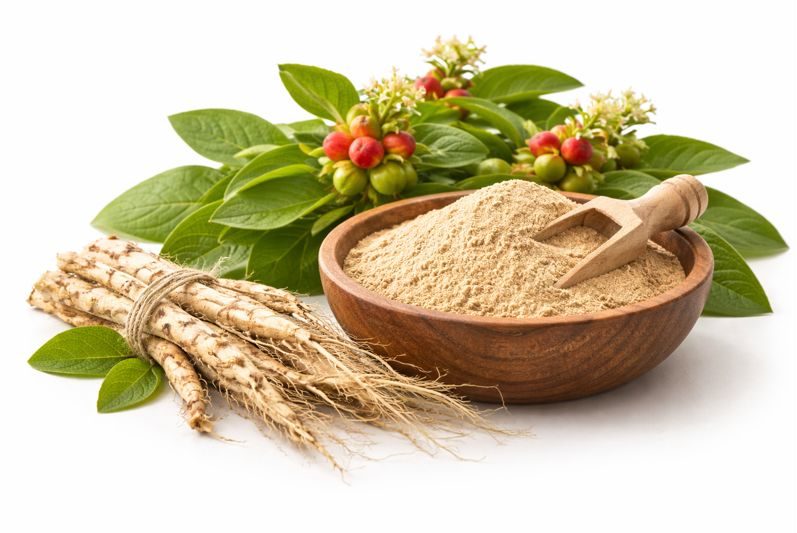
What Is Ashwagandha? Benefits, Uses, and Effects
Ashwagandha is a cornerstone of Ayurvedic medicine. It’s often called a “calming adaptogen” because of its strong effect on stress hormones.
Ashwagandha for Stress and Cortisol
Ashwagandha helps lower cortisol, the hormone responsible for chronic stress. Over time, this can ease anxiety, tension, and emotional overwhelm.
Many users notice:
- Less irritability
- Improved emotional balance
- Reduced stress-related cravings
Ashwagandha for Sleep and Calm
Because it promotes relaxation, ashwagandha is commonly used in the evening. It may improve sleep quality and help quiet a racing mind.
If stress keeps you awake at night, ashwagandha often feels like a natural reset button.
Rhodiola vs Ashwagandha: Key Differences Side by Side
While both herbs are adaptogens, they support the body in opposite ways.
Rhodiola
- Energizing and stimulating
- Best for fatigue and burnout
- Supports focus and performance
- Often taken in the morning
Ashwagandha
- Calming and grounding
- Best for chronic stress and anxiety
- Supports sleep and relaxation
- Often taken in the evening
In short, rhodiola helps you push forward, while ashwagandha helps you slow down.

Which One Is Better for Stress, Energy, and Mood?
The answer depends on how stress shows up in your life.
If stress makes you tired, unfocused, or unmotivated, rhodiola may be the better choice. It supports resilience without sedation.
On the other hand, if stress makes you anxious, tense, or sleepless, ashwagandha usually works better. It encourages calm without dulling motivation.
Some people even rotate them—rhodiola in the morning, ashwagandha at night—for balanced support.
Scientific Studies and What Research Says
Research does support benefits for both rhodiola and ashwagandha, but it’s important to look at what the science actually shows.
For rhodiola, one of the classic clinical studies was a randomized, double-blind, placebo-controlled trial that tested a standardized Rhodiola rosea extract (SHR-5) in people with stress-related fatigue. After about four weeks, participants taking rhodiola showed reduced feelings of fatigue and better mental performance, especially on tasks requiring attention and concentration. The study also found that the herb helped modulate the body’s stress response, as seen in saliva cortisol measurements.
Ashwagandha has also been studied in several controlled trials and reviews. A systematic review and meta-analysis looking at multiple randomized trials found that ashwagandha supplements were associated with significant reductions in stress and anxiety scores, and importantly, lower serum cortisol levels compared with placebo. This research indicates that regular use of ashwagandha may help the body manage stress more effectively.
It’s worth noting that neither herb is a miracle cure, and results can vary depending on dose, extract quality, and individual differences. However, both rhodiola and ashwagandha have solid scientific backing for their stress-modulating effects when used appropriately and over time.
Recommended Supplements
Below is a curated list of well-reviewed options commonly chosen for quality and formulation:
- Gaia Herbs Rhodiola Rosea – Standardized extract with clean sourcing
- NOW Supplements Rhodiola 500 mg – Budget-friendly and widely trusted
- Ashwagandha by Sports Research – Clinically studied root extract
- Himalaya Ashwagandha Organic – Traditional formulation with minimal fillers
- NATURELO Ashwagandha Capsules – Plant-based and third-party tested
Always check labels for standardized extracts and consult a professional if you take medications.
How to Choose the Right Adaptogen for You
Ask yourself a few simple questions:
- Do I feel wired or wiped out?
- Is stress making me anxious or exhausted?
- Do I need energy or calm right now?
Your answers usually point to the right choice. Remember, adaptogens work best over time. Consistency matters more than instant results.
Conclusion
When it comes to rhodiola vs ashwagandha, there’s no universal winner—only what fits your needs. Rhodiola supports energy, focus, and performance under pressure. Ashwagandha supports calm, emotional balance, and restorative sleep. Choose the one that matches how stress affects you today. With the right fit, adaptogens can become a powerful part of your long-term wellness routine.
FAQs
1. Is it possible to use rhodiola and ashwagandha at the same time?
Yes, a common approach is taking rhodiola earlier in the day and ashwagandha in the evening to support balance.
2. Which is better: rhodiola vs ashwagandha for stress?
Ashwagandha is generally better for anxiety due to its calming effects on cortisol.
3. Which adaptogen is better for focus?
Rhodiola is more effective for focus, alertness, and mental stamina.
4. How long do results take?
Most people notice subtle benefits within 1–2 weeks, with stronger effects after consistent use.
5. Are there side effects?
Side effects are rare but may include mild digestive discomfort. Start with a low dose.