Antioxidants for Brain Health and Healthy Aging
We may earn a commission for purchases made using our links. Please see our disclosure for more details.
Your brain is highly active, which also makes it vulnerable to oxidative stress over time. Antioxidants for brain health may help protect cells from damage, support healthy aging, and complement habits that keep your mind sharp. This article explains the best antioxidant-rich foods, key nutrients, supplement options, and what the research says about their role in cognitive health.
What Are Antioxidants?
Antioxidants are nutrients and plant compounds that help neutralize free radicals.
Free radicals are not automatically harmful. Your body also uses them for immune defense, cell signaling, and other normal processes.
Trouble may develop when free-radical production exceeds the body’s ability to control it. Oxidative stress develops when the body produces more free radicals than it can effectively neutralize.
Over time, oxidative stress may damage:
- Cell membranes
- Proteins
- DNA
- Mitochondria
- Other important cell structures
The brain may be especially sensitive because it uses considerable oxygen, contains fatty tissue, and depends on a steady supply of blood and energy.
How May Antioxidants Support the Brain?
Antioxidants may support healthy brain aging through several connected pathways.
Managing Oxidative Stress
Vitamin C, vitamin E, carotenoids, and polyphenols participate in the body’s antioxidant network.
They help limit cellular damage associated with excessive free-radical activity.
However, antioxidants do not form an invisible shield around the brain. They work alongside the body’s repair systems, enzymes, nutrients, and healthy lifestyle habits.
Supporting a Healthy Inflammatory Response
Oxidative stress and inflammation can influence each other.
Many antioxidant-rich foods also provide plant compounds that help the body maintain a balanced inflammatory response.
Promoting Healthy Blood Flow
The brain needs a reliable supply of oxygen and nutrients.
Some plant compounds, particularly flavonoids, may support blood vessel function and healthy circulation.
Influencing the Gut-Brain Connection
Antioxidants do more than neutralize free radicals.
A 2024 scientific review exploring how polyphenols may support brain health explains that these plant compounds may also influence inflammation, vascular function, cell signaling, and the gut-brain axis.
This broader activity may help explain why whole foods often appear more promising than isolated megadoses.
Best Food Sources of Antioxidants for Brain Health
Food should form the foundation of your antioxidant plan.
Whole foods provide fiber, minerals, healthy fats, and numerous plant compounds in practical amounts.
Berries
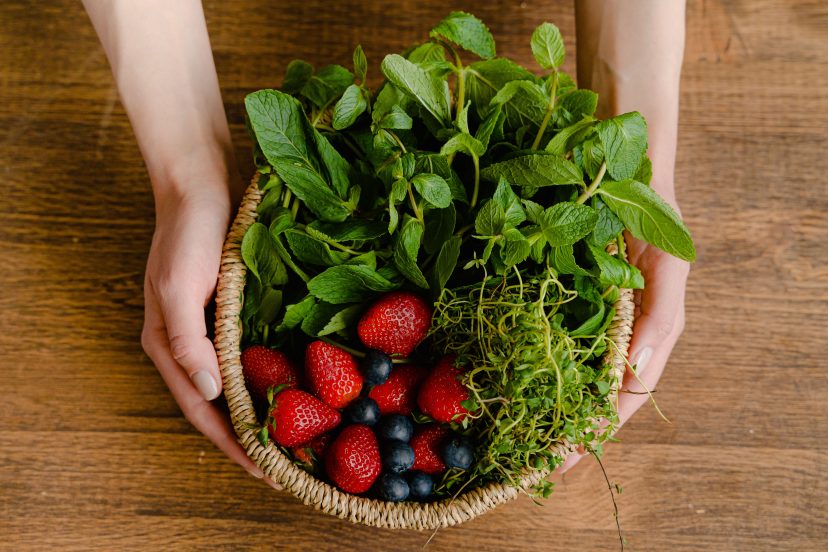
Dark-colored berries such as blueberries, strawberries, blackberries, cherries, and raspberries are natural sources of anthocyanins.
These antioxidant pigments produce the deep red, blue, and purple colors found in many berries.
Add fresh or frozen berries to:
- Oatmeal
- Yogurt
- Smoothies
- Chia pudding
- Whole-grain cereal
Frozen berries are convenient, affordable, and still nutritious.
Leafy Green Vegetables
Spinach, kale, arugula, collard greens, and broccoli provide vitamin C, vitamin E, carotenoids, folate, and other protective compounds.
You do not have to live on salads to eat more greens.
Mix them into eggs, soups, pasta sauces, wraps, casseroles, or stir-fries.
Nuts and Seeds
Walnuts, almonds, sunflower seeds, chia seeds, and flaxseed supply vitamin E, minerals, healthy fats, and polyphenols.
A modest portion of nuts or seeds works well as a quick snack. You can also add nuts and seeds to yogurt, oatmeal, salads, and smoothies.
Whenever possible, select varieties with little or no added salt.
Colorful Fruits and Vegetables
Tomatoes, peppers, carrots, oranges, grapes, sweet potatoes, and red cabbage contain different antioxidant families.
Instead of searching for one perfect “superfood,” aim to eat several colors throughout the week.
More color usually means a wider range of plant compounds.
Tea, Coffee, Cocoa, and Spices
Green tea, black tea, coffee, cocoa, turmeric, cinnamon, rosemary, and oregano all provide polyphenols.
Watch the extras, though. A heavily sweetened coffee drink does not automatically become a health food because coffee contains antioxidants.
Important Antioxidant Nutrients and Compounds
Different antioxidants perform different jobs. More importantly, they often work together.
Vitamin C
Vitamin C is a water-soluble antioxidant that supports antioxidant recycling and neurotransmitter activity.
Reliable food sources include:
- Citrus fruit
- Kiwi
- Strawberries
- Bell peppers
- Broccoli
- Tomatoes
Most people can obtain useful amounts through a varied diet.
Vitamin E
Vitamin E helps protect fatty cell membranes from oxidative damage.
You can find it naturally in nuts, seeds, avocado, spinach, and vegetable oils.
High-dose vitamin E supplements deserve caution. The NIH review of vitamin E and cognitive health notes that most research does not support vitamin E supplementation for maintaining cognitive performance in healthy people or those with mild cognitive impairment.
Large doses may also interact with blood-thinning medications.
Polyphenols
Polyphenols include flavonoids, anthocyanins, and phenolic acids.
They occur naturally in:
- Berries
- Tea
- Cocoa
- Coffee
- Grapes
- Herbs
- Colorful vegetables
A 2024 meta-analysis examining polyphenol supplements and memory found a possible improvement in immediate memory retrieval among adults over 60.
However, researchers did not find consistent improvements in delayed memory or every cognitive outcome.
In plain English, the findings look promising, but they do not prove that polyphenol supplements improve overall brain function.
Carotenoids
Lutein, zeaxanthin, beta-carotene, and astaxanthin belong to the carotenoid family.
Leafy greens, orange vegetables, eggs, and algae provide these colorful pigments.
Researchers continue to examine their role in cognitive and visual health. However, experts have not established a standard carotenoid dose for improving brain function.
Coenzyme Q10 and Alpha-Lipoic Acid
Coenzyme Q10, or CoQ10, supports mitochondrial energy production.
Alpha-lipoic acid participates in energy metabolism and helps recycle other antioxidants.
Both compounds appear in many healthy-aging supplements. Their biological roles are well established, but evidence that routine supplementation noticeably improves cognition in healthy adults remains limited.
Food or Supplements: Which Is Better?
For most people, antioxidant-rich foods are the better starting point.
Whole foods provide multiple nutrients that work together while supporting the heart, gut, metabolism, and brain.
Supplements may be useful when you have:
- A confirmed nutrient deficiency
- A restricted diet
- An absorption problem
- A clinician-recommended reason
- Difficulty obtaining a specific compound from food
A supplement should fill a clear gap. It should not compensate for poor sleep, limited movement, smoking, or an unbalanced diet.
Also remember that antioxidant activity in a laboratory does not guarantee a noticeable benefit in people.
Dose, absorption, metabolism, medications, and overall health can all affect the outcome.
How to Choose an Antioxidant Supplement
Use this checklist before buying an antioxidant product:
- Check the exact amount per serving.
- Avoid blends that hide individual ingredient doses.
- Look for independent quality testing.
- Check for overlap with your multivitamin.
- Avoid products claiming to reverse memory loss.
- Research possible medication interactions.
- Choose a clear formula rather than an enormous ingredient list.
High doses can sometimes cause problems.
For example, vitamin E may increase bleeding risk for certain people. Alpha-lipoic acid may also affect blood sugar.
“Natural” does not mean interaction-free.
Speak with a healthcare professional before taking a new supplement if you use prescription medication, manage a medical condition, are pregnant, or plan to combine several products.
Top Antioxidants for Brain Health
These products contain antioxidant-related ingredients. None should be treated as a cure or guaranteed cognitive enhancer.
1. Thorne Curcumin Phytosome 1000 mg
Thorne Curcumin Phytosome uses a phytosome form designed to improve curcumin absorption. It may suit shoppers looking for a turmeric-based antioxidant without a large proprietary nootropic blend.
2. Sports Research Vegan Astaxanthin 12 mg
Sports Research Vegan Astaxanthin combines algae-derived astaxanthin with coconut oil. The oil-based softgel is practical because astaxanthin is fat-soluble.
3. Doctor’s Best High Absorption CoQ10 100 mg
Doctor’s Best High Absorption CoQ10 combines coenzyme Q10 with black pepper extract. CoQ10 supports cellular energy production and the body’s antioxidant defenses. Ask a healthcare professional before using CoQ10 if you take blood-thinning medication.
4. NOW Alpha Lipoic Acid 600 mg
NOW Alpha Lipoic Acid provides a high-strength alpha-lipoic acid formula in a single capsule. Speak with a clinician before using it if you take diabetes medication or frequently experience low blood sugar.
5. NOW NAC 600 mg With Selenium
NOW NAC 600 mg provides N-acetyl cysteine, which the body can use to produce glutathione. Check your total selenium intake if you also take a multivitamin or another mineral supplement.
Build a Brain-Friendly Daily Routine
Antioxidants work best as part of a broader routine.
Focus on habits you can repeat consistently:
- Include fruit or vegetables at each meal.
- Eat berries several times per week.
- Add nuts or seeds to breakfasts and snacks.
- Exercise or walk most days.
- Aim for seven to nine hours of sleep.
- Keep your blood pressure, cholesterol, and glucose levels within a healthy range.
- Avoid smoking.
- Keep learning and trying unfamiliar activities.
You can also explore these practical neuroplasticity exercises for keeping your brain active.
Learning new skills, changing familiar routines, exercising, and practicing focused attention may challenge the brain in ways that a supplement alone cannot.
Conclusion
Antioxidants for brain health may help protect cells and support healthy aging, but they are only one part of the picture. Start with berries, leafy greens, nuts, colorful vegetables, tea, coffee, and other polyphenol-rich foods. These choices provide a broad mix of nutrients rather than one isolated compound. Supplements can fill specific gaps, but stronger doses do not guarantee better results. Choose transparent products, avoid exaggerated claims, and check for medication interactions before adding anything new.
FAQs
What is the best antioxidants for brain health?
No single antioxidant is best for everyone. A varied diet that supplies vitamin C, vitamin E, carotenoids, and polyphenols offers broader support than relying on one high-dose supplement.
Can antioxidants improve memory?
Some research suggests polyphenols may support certain types of memory, particularly in older adults. However, results remain mixed, and antioxidants do not reliably improve memory in everyone.
Which fruits contain brain-friendly antioxidants?
Berries, cherries, grapes, oranges, kiwi, and pomegranates provide useful antioxidant compounds. Rotate several fruits instead of relying on one option.
Is it safe to use antioxidant supplements daily?
Safety depends on the ingredient, dose, medications, and your health history. Some supplements can affect bleeding, blood sugar, or medication absorption. Check with a healthcare professional before using high-dose products regularly.
How long do antioxidants take to support brain health?
Antioxidants rarely create an immediate mental boost. Their potential value is more likely to come from consistent dietary and lifestyle habits maintained over months and years.