6 Drinks For Brain to Start Your Morning Strong
We may earn a commission for purchases made using our links. Please see our disclosure for more details.
What you drink after waking can affect how alert, focused, and comfortable you feel during the first part of your day. It cannot replace sleep, good nutrition, or medical care, but it can help you rehydrate and provide nutrients that support normal brain function. The best drinks for brain performance are often surprisingly simple. Water addresses overnight fluid loss. Coffee and tea offer caffeine for alertness. A balanced smoothie supplies protein and carbohydrates for steadier energy. Here are six practical options, including both caffeinated and caffeine-free choices.
What Makes a Morning Drink Brain-Friendly?
A useful morning drinks for brain should support one or more of the following needs:
- Hydration after several hours without fluids
- Comfortable, appropriate stimulation
- Steady energy rather than a rapid sugar spike
- Nutrients that contribute to normal brain and nervous-system function
- A morning routine you can maintain
Be cautious with products promising immediate memory enhancement or dramatic mental performance. No drink can “unlock” your brain or compensate for chronic sleep loss.
Your response also depends on caffeine tolerance, medications, health conditions, breakfast habits, and hydration status. Think of these drinks as tools rather than miracle solutions.
1. Water: The Most Important Starting Point
Water is not an exciting nootropic, but it is a sensible first drinks for brain. You lose fluid through breathing and perspiration while sleeping, so thirst, dry mouth, or a mild headache may greet you in the morning.
A review of research on hydration and cognitive performance found that water consumption may positively influence certain mental abilities and aspects of mood. However, results vary according to a person’s starting hydration level and the task being measured.
Drink a glass when you wake up, especially if your bedroom is warm or you exercised the previous evening. There is no need to force down a huge bottle. Let thirst, climate, activity, and urine color help guide your intake.
Add lemon, cucumber, mint, or frozen berries if plain water feels unappealing. These additions mainly improve flavor, which may make consistent hydration easier.
2. Coffee: Reliable Help With Morning Alertness
Coffee earns its place among popular drinks for brain performance because caffeine can reduce sleepiness and improve alertness. It blocks adenosine receptors, temporarily dampening the signals that make you feel tired.
However, more is not always better. A large, highly sweetened coffee may cause jitters, digestive discomfort, or an energy swing. Start with a modest serving and pay attention to your response.
If coffee makes you anxious, drink it with breakfast, choose half-caffeinated beans, or reduce the portion. Avoid using several cups to mask an ongoing sleep problem. Caffeine can remain in the body for hours, so late consumption may interfere with the following night’s rest.
Black coffee contains very few calories. A splash of milk is also reasonable, but flavored syrups and sugary creamers can turn it into dessert.

3. Green Tea: Gentler Energy With L-Theanine
Green tea supplies caffeine, although it usually contains less than brewed coffee. It also naturally provides L-theanine, an amino acid associated with tea’s distinctive calming qualities.
A systematic review of caffeine and L-theanine examined their potential cognitive effects. The authors found that the combination may support certain aspects of attention and alertness, although the studies were small and used different doses. That makes green tea promising, not a guaranteed cognitive enhancer.
Steep the leaves for two to three minutes if you prefer a lighter flavor. Longer steeping generally produces a stronger, more bitter cup. Enjoy it unsweetened, or brighten the flavor with a squeeze of lemon.
Green tea works particularly well for people who want gentle stimulation without the intensity of a full cup of coffee.
4. Matcha: A More Concentrated Tea Option
Matcha comes from finely ground green tea leaves. Because you consume the leaf rather than simply steeping and removing it, a serving may deliver more caffeine and tea compounds than ordinary green tea.
Whisk one-half to one teaspoon into warm—not boiling—water. You can then add milk for a simple matcha latte. Check your product’s serving instructions because caffeine levels differ.
Matcha delivers a grassy flavor with a mild bitter edge. Sweetened café versions can contain a considerable amount of added sugar, so making your own gives you more control.
If caffeine affects you strongly, begin with a reduced portion. Matcha is still a stimulant-containing drink even when it feels smoother than coffee.
For more ideas on ingredients commonly added to focus drinks, see this guide to nootropic powders for focus and energy.
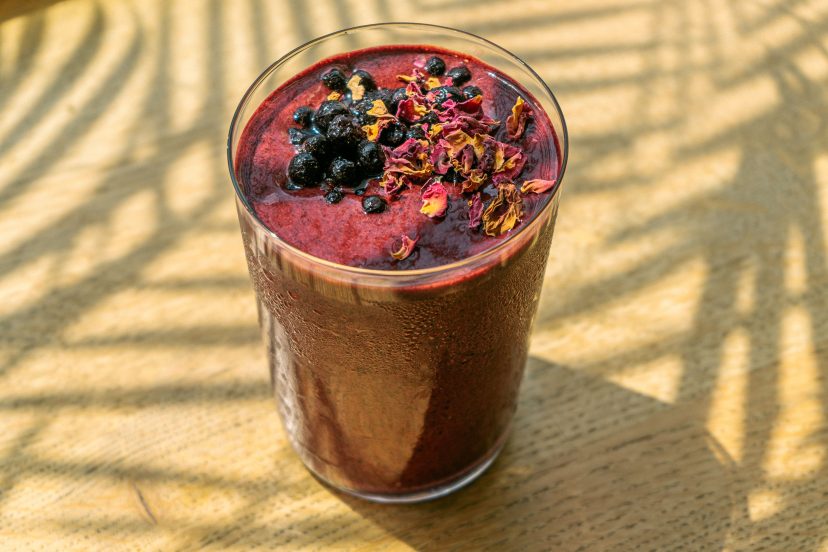
5. A Protein-Rich Berry Smoothie
A smoothie can provide fluid, protein, carbohydrates, fiber, and plant nutrients in one convenient breakfast. It is especially useful when you struggle to eat solid food early in the day.
Try blending:
- One cup of milk or unsweetened fortified soy milk
- One-half cup of berries
- One small banana
- Plain Greek yogurt or unsweetened protein powder
- One tablespoon of ground flaxseed
- Ice or water as needed
Protein and fiber slow digestion and help make the drink more filling. Meanwhile, berries add flavor and colorful plant compounds without requiring syrup.
Avoid building a smoothie entirely from fruit juice, sweetened yogurt, honey, and several pieces of fruit. That combination can contain a lot of sugar while providing little protein.
A smoothie supports cognition indirectly by helping you start the day nourished. It does not produce a stimulant-like mental surge, but its steadier energy may prove more useful.
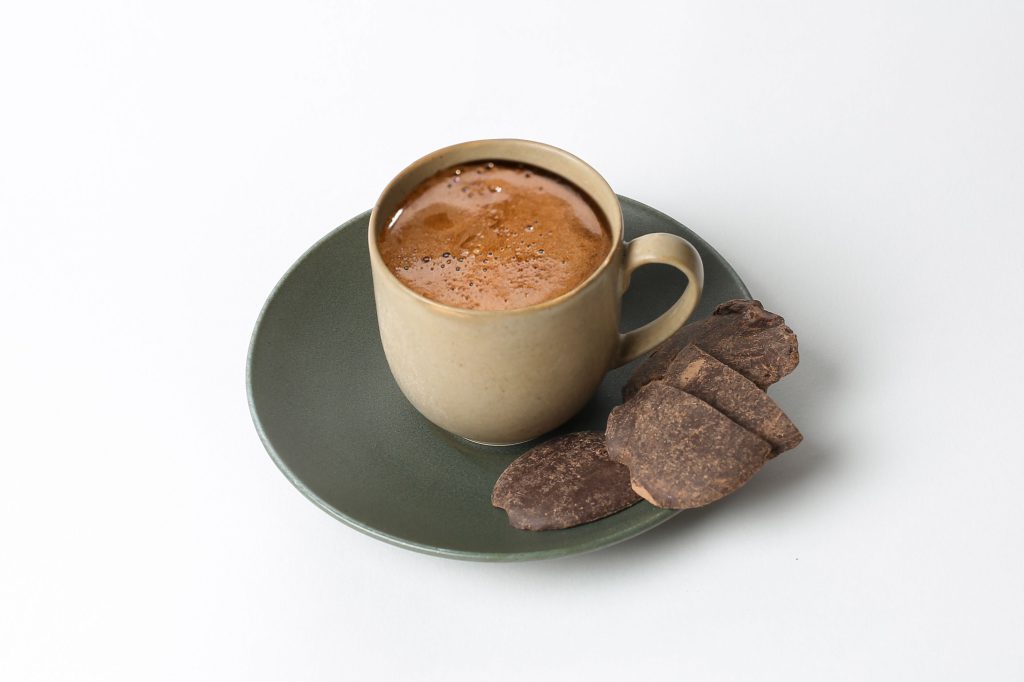
6. Unsweetened Cacao
Unsweetened cacao makes a comforting caffeine-light alternative to coffee. Cacao naturally contains theobromine, a stimulant that generally feels milder than caffeine, along with minerals and cocoa flavanols.
Mix one tablespoon of unsweetened cacao powder with a small amount of warm water to create a smooth paste. Add warmed milk and cinnamon, then sweeten lightly if necessary.
Check the label carefully. Hot-chocolate mixes may list sugar as the first ingredient and contain relatively little cocoa. Plain cacao or unsweetened cocoa gives you control over sweetness.
Cacao still contains stimulants, so it may not suit everyone. It can also trigger reflux or headaches in susceptible people. Try a modest amount first and pay attention to your body’s response.
How to Choose the Right Morning Drink
Choose the best drinks for brain according to the problem you are trying to solve.
If you wake up thirsty or headachy, start with water. When you need stronger alertness and tolerate caffeine well, coffee may fit. Green tea offers a milder alternative, while matcha provides a more concentrated tea experience.
Select a protein-rich smoothie when hunger or unstable morning energy affects concentration. Choose cacao when you want a warm, comforting drink with less caffeine than coffee.
You can also combine options. For example, drink water after waking and have green tea with breakfast. Your whole routine matters more than identifying one supposedly perfect beverage.
This article on mindful morning habits and supplements offers more ways to build a calm, focused start to the day.
Recommended Products
These products make several of the drinks above easier to prepare. Always review the current ingredients, allergen information, caffeine content, and serving directions before buying.
1. Jade Leaf Ceremonial Grade Matcha
Jade Leaf Ceremonial Grade Matcha is a straightforward option for whisked matcha or an unsweetened latte. Its small tin also lets beginners try matcha without purchasing a large package.
2. Navitas Organics Cacao Powder
Navitas Organics Cacao Powder works in hot cacao, smoothies, and oatmeal. The product contains unsweetened, non-alkalized cacao powder, allowing you to control added sugar.
3. Four Sigmatic Think Organic Coffee
Four Sigmatic Think Organic Coffee combines coffee with mushroom extracts. Evidence for dramatic nootropic effects from commercial mushroom beverages remains limited, so view it mainly as a convenient coffee option rather than a treatment.
4. LMNT Sparkling Electrolyte Drink
LMNT Sparkling Electrolyte Drink offers caffeine-free hydration without sugar. Its sodium content may be useful after heavy sweating but can be excessive for an ordinary sedentary morning. People limiting sodium should seek medical guidance.
5. Ninja Nutri-Plus Personal Blender
A personal blender can prepare smoothies quickly and handle frozen fruit. It is a higher-cost choice, so a basic blender may offer better value if you only make occasional drinks.
Morning Drink Mistakes to Avoid
Do not confuse stimulation with nourishment. A highly caffeinated drink may make you feel awake without addressing hunger, dehydration, or inadequate sleep.
Other common mistakes include:
- Combining coffee, pre-workout, and energy drinks
- Drinking caffeine late enough to disturb sleep
- Adding large amounts of syrup or sugar
- Using electrolyte drinks when plain water would suffice
- Taking herbal powders without checking medication interactions
- Believing that “natural” automatically means safe
Pregnant people, adolescents, and anyone with anxiety, heart-rhythm concerns, uncontrolled blood pressure, or medication interactions should discuss caffeine and supplements with a qualified healthcare professional.
Conclusion
The most useful morning drinks for brain health are not complicated. Water restores fluid, coffee and tea can improve alertness, and a balanced smoothie supplies lasting nourishment. Matcha and cacao provide additional choices for different tastes and caffeine tolerances. Start with one drink that suits your needs, keep the serving sensible, and notice how it affects your concentration, mood, digestion, and sleep. The strongest morning routine still rests on adequate sleep, regular meals, movement, and realistic expectations—not a miracle beverage.
Frequently Asked Questions
What is the best drink for your brain in the morning?
There is no universal drinks for brain winner. Water is the best starting point when you need hydration. Coffee or tea may temporarily improve alertness, while a protein-rich smoothie provides more complete nutrition.
Should I drink water before coffee?
You do not have to, but drinking water first is a practical way to address thirst after sleep. You can still enjoy coffee with or after breakfast.
Which morning drink gives energy without caffeine?
A smoothie containing protein, fiber, and carbohydrates can support steady energy without stimulants. Water also helps if dehydration contributes to fatigue.
Is matcha better for the brain than coffee?
Neither drink is inherently better for everyone. Coffee usually offers more caffeine, while matcha provides caffeine plus L-theanine. Your tolerance, serving size, and sleep habits matter more than the label.
How quickly do these drinks improve focus?
Caffeinated drinks may affect alertness within roughly 30 to 60 minutes. Water helps mainly when inadequate hydration contributes to symptoms. Smoothies support energy through nutrition rather than producing an immediate stimulant effect.