Best Mood Support Supplements for Wellness and Balance

We may earn a commission for purchases made using our links. Please see our disclosure for more details.
Feeling tired, overwhelmed, or emotionally unsteady can make even the easiest days seem tougher. The issue is, bad sleep, nutrient deficiencies, and everyday stress all impact your mood. Mood support supplements can help promote calm, balance and brain health when combined with healthy lifestyle practices.
What Are Mood Support Supplements?
Mood support supplements contain vitamins, minerals, herbs, amino acids, or fatty acids that could promote emotional health. Some of them help the body cope with stress. Some assist with neurotransmitters, sleep quality, balancing inflammation or optimal brain health.
Typical examples are omega-3s, magnesium, ashwagandha, L-theanine, saffron, vitamin D, B vitamins, probiotics and adaptogens.
But “natural” isn’t always safe. Supplements may interact with certain medications or impact certain health conditions. So, it’s smart to talk to a healthcare provider before starting anything new — especially if you’re taking antidepressants, anxiety medication, blood thinners, sleep aids or hormone-related meds.
How Mood and Brain Health Are Connected
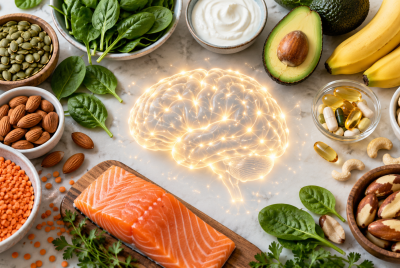
Your mood is closely tied to your brain, nervous system, hormones, gut, sleep cycle, and daily habits. When one area gets out of rhythm, your emotional balance can feel off too.
For example, low sleep can increase irritability. Long-term stress may raise cortisol. Poor nutrition can leave your brain short on key nutrients. Even your gut can influence mood through the gut-brain connection.
That is why the best mood support plan usually combines supplements with lifestyle habits. You may also enjoy calming focus habits like listening to music while working. For more ideas, read this helpful guide on music for focus.
5 Best Mood Support Supplements to Consider
Below are five popular mood support supplements with research behind them. These are not magic pills, but they may offer gentle support when used correctly.
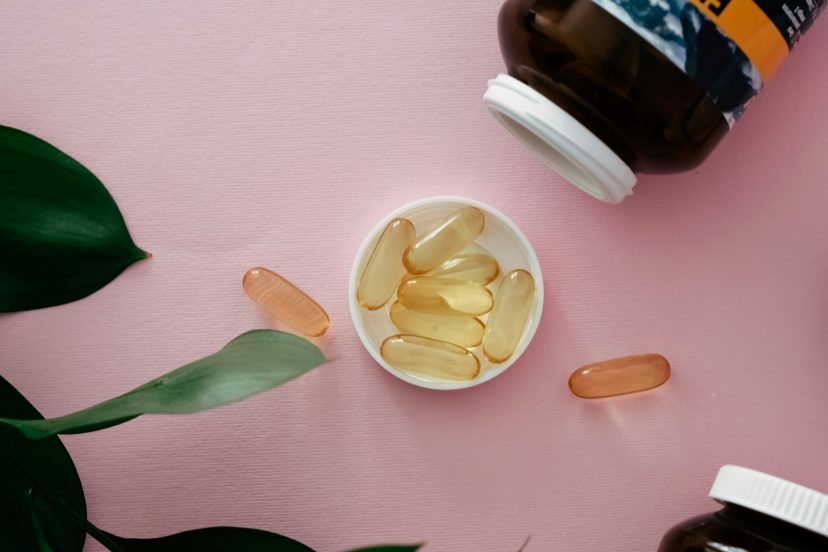
1. Omega-3 Fish Oil
Omega-3 fatty acids are healthy fats found in fatty fish like salmon, sardines, and mackerel. The two main types in supplements are EPA and DHA.
EPA often gets attention for mood support because it may help regulate inflammation and brain cell communication. The NIH Office of Dietary Supplements explains that omega-3s play important roles in the body, including cell membrane function and inflammatory processes.
Omega-3 supplements may be especially helpful for people who do not eat much fish. Still, quality matters. Look for third-party testing, clear EPA/DHA amounts, and purified formulas.
Best for: People who want brain, heart, and mood support in one supplement.
2. Magnesium Glycinate
Magnesium helps with hundreds of body functions, including nerve signaling, muscle relaxation, and energy production. Many people think of it as the “calm mineral,” though that nickname does not tell the whole story.
Magnesium glycinate is popular because it tends to be gentle on the stomach. Some people take it at night to help the body unwind and prepare for better sleep. Since poor sleep can affect mood, this makes magnesium a useful option for many wellness routines.
Best for: People who feel tense, stressed, or sleep-deprived.
3. Ashwagandha
Ashwagandha is an adaptogenic herb used in traditional wellness practices. Adaptogens may help the body respond to stress in a more balanced way.
A 2024 review found that ashwagandha may reduce stress, anxiety, and cortisol levels compared with placebo in several studies. The NIH also notes that some studies show benefits for stress, anxiety, sleeplessness, and fatigue.
That said, ashwagandha is not for everyone. People with thyroid issues, autoimmune conditions, liver concerns, pregnancy, or medication use should ask a clinician first.
Best for: People dealing with daily stress and burnout feelings.
4. L-Theanine
L-theanine comes from tea leaves and is often used to support a calm, focused state. It is often used for calm focus because it may support relaxation without heavy drowsiness.
A 2019 randomized, placebo-controlled trial found that L-theanine may help with stress-related symptoms and sleep quality in healthy adults.. A 2024 systematic review also suggested possible benefits for psychiatric symptoms, though researchers noted that more studies are needed.
Many people take L-theanine with morning coffee to smooth out caffeine jitters. Others use it during stressful work sessions.
Best for: People who want calm focus without feeling sleepy.
5. Saffron Extract
Saffron is more than a fancy kitchen spice. It has gained attention for mood support because compounds in saffron may influence serotonin activity, inflammation, and oxidative stress.
A 2025 meta-analysis compared saffron with SSRIs in depression studies and found no significant difference in reducing depressive symptoms across the included trials. That does not mean saffron replaces medication. It simply means researchers see enough promise to keep studying it.
Saffron supplements often come in small doses, such as 28–30 mg daily, depending on the product. Always follow label directions.
Best for: People looking for a gentle botanical option for emotional wellness.

Top Supplement Options
Here are five product ideas to consider for a mood support article. Always check the current label, serving size, testing details, and reviews before buying.
1. Nordic Naturals Ultimate Omega
This fish oil supplement is a popular choice for omega-3 support. It provides EPA and DHA, which support brain and heart health. It is a strong option for readers who do not eat fatty fish often.
2. Nature Made Magnesium Glycinate
This is a simple magnesium option for people who want relaxation and nervous system support. Magnesium glycinate is often preferred because it feels gentler than some other forms.
3. NOW Foods Ashwagandha Extract
NOW Foods is widely available and budget-friendly. This ashwagandha supplement may suit readers who want stress support without buying an expensive adaptogen blend.
4. Sports Research L-Theanine
This product works well for calm focus. It may pair nicely with coffee or tea for people who want smoother energy during work, studying, or creative tasks.
5. Life Extension Mood Improve Saffron
This saffron-based supplement may appeal to readers who want a botanical mood support option. It is simple, targeted, and easy to include in a daily wellness routine.
How to Choose the Right Mood Support Supplement
Choosing the best mood support supplement depends on your main goal.
If you feel tense at night, magnesium may be a better fit. If stress drains your energy, ashwagandha may help. If caffeine makes you jittery, L-theanine may feel useful. If you rarely eat seafood, omega-3s may fill a nutritional gap.
Also, check these details before buying:
- Third-party testing
- Clear ingredient labels
- Proper serving size
- No unnecessary stimulant blends
- Positive reviews from verified buyers
- Brand transparency
- Medication interaction warnings
More is not always better. In fact, stacking too many supplements at once makes it harder to know what actually helps.
Start simple. Track how you feel. Then adjust with guidance.
Safety Tips Before Taking Supplements
Supplements can support wellness, but they deserve respect. Certain ingredients can affect how prescription medications work.
For example, St. John’s wort is often marketed for mood, but it can interact with many medications. The National Center for Complementary and Integrative Health warns that it may cause serious interactions, especially with antidepressants and other drugs.
Before taking any supplement, ask yourself:
- Do I take prescription medication?
- Do I have a diagnosed mental health condition?
- Am I pregnant or breastfeeding?
- Do I have liver, kidney, thyroid, or autoimmune concerns?
- Am I already taking similar ingredients?
If the answer is yes, talk to a healthcare professional first.
Lifestyle Habits That Support a Better Mood
Supplements work best when your daily habits support your brain too. Your routine does not have to be perfect. Even small daily changes can support better well-being.
Try these simple mood-supporting habits:
Get morning light. Natural light helps your body set its sleep-wake rhythm.
Stay active when you can. A simple walk may help lift your mood and ease stress.
Eat protein at breakfast. Stable blood sugar can help you feel steadier.
Limit late caffeine. Better sleep often means better emotional control.
Use music intentionally. Calm playlists, focus music, or nature sounds can support your mental state during work or rest.
Write things down. Journaling can help you process stress instead of carrying it around all day.
These habits may sound basic, but they create the foundation supplements build on.
Conclusion
The best mood support supplements for wellness and balance include omega-3 fish oil, magnesium glycinate, ashwagandha, L-theanine, and saffron extract. Each one supports mood in a different way, from stress response to calm focus, sleep quality, and brain health.
Even so, supplements are just one part of a complete wellness plan. Your sleep, food, movement, stress habits, and support system matter too.
If you want to try a supplement, start with one that matches your biggest need. Choose a trusted brand, follow the label, and speak with a healthcare provider if you take medication or have health concerns.
Your mood deserves support, not guesswork.
FAQs
What are mood support supplements?
Mood support supplements are nutrients, herbs, amino acids, or fatty acids that may help support emotional wellness, stress balance, calm focus, and brain health.
Do mood support supplements really work?
Some supplements have promising research, especially omega-3s, magnesium, ashwagandha, L-theanine, and saffron. However, results vary by person, dose, product quality, and lifestyle habits.
What is the best supplement for stress and mood?
Ashwagandha, magnesium glycinate, and L-theanine are popular options for stress and mood support. The best choice depends on your needs and health background.
Is it safe to use mood support supplements daily?
Many people take certain supplements daily, but not every product is right for long-term use. Always follow the label and ask a healthcare professional if you take medication.
Are mood support supplements safe?
Many are safe for healthy adults when used correctly. However, some can interact with medications or health conditions.