9 Stress Reducing Supplements to Help You Relax Naturally

We may earn a commission for purchases made using our links. Please see our disclosure for more details.
Stress is a common part of modern life, but when it becomes constant, it can affect both your body and your mind. Many people are now turning to stress reducing supplements to help support relaxation, improve mood, and maintain mental clarity during demanding periods.
Certain nutrients and adaptogenic herbs may help regulate stress hormones, support neurotransmitters, and promote a calmer nervous system. In this guide, you’ll learn about some of the most popular supplements used for stress relief, how they work, and what to consider when choosing the right one for your routine.
Understanding Stress and Brain Health
Stress is not always harmful. In moderate amounts, stress can sharpen attention and improve focus. However, long-term stress can affect sleep, mood, concentration, and overall brain health.
When the body stays in “fight-or-flight” mode for too long, cortisol levels rise. Over time, elevated cortisol may contribute to fatigue, brain fog, and emotional imbalance.
Many stress reducing supplements aim to support the nervous system, promote relaxation, and improve resilience to stress.
Some work through adaptogens. Others support neurotransmitters like GABA and serotonin.
Let’s look at the supplements that researchers and wellness professionals often recommend.
9 Stress Reducing Supplements
1. Ashwagandha
Ashwagandha is one of the most studied adaptogenic herbs for stress. This ancient Ayurvedic plant helps the body adapt to physical and mental stress. Many people use it to support calm energy levels throughout the day.Studies indicate that ashwagandha may help lower cortisol and reduce feelings of stress.
Some users report benefits such as:
- Improved relaxation
- Better sleep quality
- Reduced anxious feelings
Because it works gradually, many people take it consistently for several weeks before noticing full benefits.
2. Magnesium
Magnesium plays a key role in hundreds of biochemical reactions. However, many adults do not get enough of it. Low magnesium levels may contribute to irritability, poor sleep, and muscle tension. Magnesium helps regulate the nervous system and supports GABA activity, which promotes relaxation.
Common forms used for stress include:
- Magnesium glycinate
- Magnesium citrate
- Magnesium threonate
Many people take magnesium in the evening to help unwind before bed.
3. Rhodiola Rosea
Rhodiola is another adaptogenic herb known for improving resilience to stress.
Unlike some calming supplements that cause drowsiness, rhodiola may support mental energy and focus while reducing fatigue.
Research exploring the benefits of Rhodiola rosea for fatigue and stress suggests the herb may help improve mental performance and reduce tiredness during demanding situations.
It works by influencing stress hormones and neurotransmitters. Many professionals and students use rhodiola during mentally demanding periods because it supports both calmness and productivity.
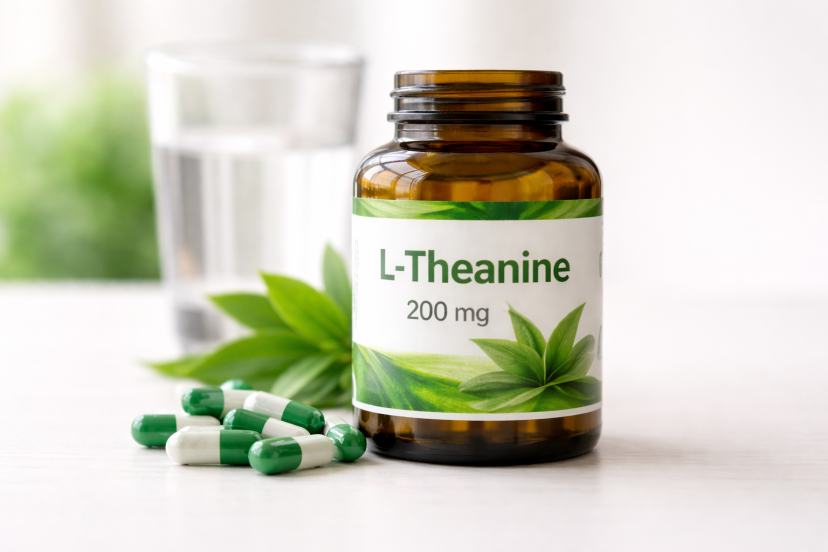
4. L-Theanine
L-theanine is a naturally occurring amino acid present in green tea leaves. It promotes relaxation without sedation. That makes it popular among people who want calm focus instead of sleepiness.
Research suggests L-theanine may increase alpha brain waves, which are linked to a relaxed but alert mental state. Many people combine L-theanine with caffeine to reduce jitteriness while improving focus.
5. Lemon Balm
Lemon balm is a gentle herb traditionally used for stress, anxiety, and sleep support. It belongs to the mint family and has mild calming effects on the nervous system.
Some research suggests lemon balm may improve mood and cognitive performance under stress. Many people drink lemon balm tea or take it in capsule form when they need help relaxing in the evening.
6. GABA
GABA (gamma-aminobutyric acid) is a neurotransmitter that slows down nervous system activity. It helps the brain transition into a calmer state. Some supplements contain GABA to support relaxation, reduce restlessness, and improve sleep quality.
However, researchers continue to study how well oral GABA crosses the blood-brain barrier. Despite that uncertainty, many users report feeling calmer after taking it.
7. Holy Basil
Holy basil, also called Tulsi, is another adaptogenic herb used in traditional medicine. It supports stress resilience and may help regulate cortisol levels. any people describe the effect as calm and balanced rather than sedating. In addition to stress support, holy basil may also help maintain healthy inflammation levels in the body.
8. Omega-3 Fatty Acids
Omega-3 fatty acids support brain function and emotional health. These essential fats help maintain cell membrane health in neurons. Some research links omega-3 intake to improved mood and reduced symptoms of stress. The most widely used sources include fish oil and algae-derived supplements.
9. Passionflower
Passionflower is widely used as a calming herb. It may support GABA activity and promote relaxation before sleep. Some people use it to reduce nervous tension or occasional restlessness. Because of its mild sedative effect, passionflower often appears in nighttime relaxation formulas.
How to Choose High-Quality Supplements
The quality of supplements can vary significantly between products. When choosing stress reducing supplements, consider these tips:
Look for Third-Party Testing – Independent testing ensures the product contains what the label claims.
Choose Standardized Extracts – Standardized herbal extracts provide consistent potency.
Check Ingredient Transparency – Avoid products with unnecessary fillers or proprietary blends.
Start With Lower Doses – Begin with a moderate dose to see how your body responds.
Why Chronic Stress Affects Brain Health
Stress is a normal part of life. At low levels, stress can actually serve a useful purpose. It keeps you alert before a big presentation or motivates you to finish important tasks. Issues arise when stress continues for long periods without relief.
During stressful situations, the body produces hormones like cortisol and adrenaline. These hormones prepare the body for a quick response, often called the “fight-or-flight” reaction. While helpful in short bursts, the brain does not function well when stress hormones stay elevated for long periods.
Over time, chronic stress may contribute to issues like brain fog, forgetfulness, and reduced mental clarity. Recognizing the early signs of cognitive decline can help people take proactive steps to protect long-term brain health.
Memory and Learning Can Decline
The hippocampus, a key part of the brain responsible for memory and learning, is especially sensitive to cortisol. When stress continues for weeks or months, high cortisol levels may disrupt how the brain forms new memories. This can lead to forgetfulness, brain fog, and difficulty concentrating.

Mood and Emotional Balance May Change
Long-term stress can also affect neurotransmitters such as serotonin, dopamine, and GABA, which regulate mood and relaxation. When these systems become imbalanced, people may feel more anxious, irritable, or mentally drained.
Mental Fatigue Can Increase
Constant stress puts a heavy demand on the brain. Over time, this can lead to mental fatigue, making it harder to focus, stay motivated, or make decisions.
Fortunately, the brain has a strong ability to adapt and recover. Healthy habits such as quality sleep, regular exercise, time outdoors, and supportive stress reducing supplements can help regulate stress and support long-term brain health.
Lifestyle Habits That Enhance Stress Relief
Supplements work best when combined with healthy habits.
Consider adding these simple practices to your routine:
- Regular physical activity
- Quality sleep
- Mindfulness or meditation
- Time outdoors
- Balanced nutrition
These lifestyle changes support the same brain systems targeted by stress reducing supplements.
Conclusion
Managing stress is important for maintaining both mental clarity and overall well-being. While healthy habits like sleep, exercise, and relaxation techniques should come first, stress reducing supplements may help support the body’s natural stress response. Choosing quality supplements and using them consistently can help promote calm, focus, and better balance in daily life.
FAQs
1. What are the best stress reducing supplements?
Some of the most popular options include ashwagandha, magnesium, rhodiola, L-theanine, and omega-3 fatty acids. These supplements support relaxation and stress resilience.
2. How long do stress reducing supplements take to work?
Some supplements, such as L-theanine, may work within hours. Adaptogenic herbs such as ashwagandha typically work best after several weeks of regular use.
3. Are stress reducing supplements safe?
Most supplements are safe for healthy adults when taken as directed. However, you should consult a healthcare professional if you take medications or have medical conditions.
4. Can supplements replace stress management habits?
No. Supplements work best when combined with healthy habits like sleep, exercise, and mindfulness.
5. Do stress supplements improve brain health?
Some supplements support brain health by reducing inflammation, supporting neurotransmitters, and helping regulate stress hormones.