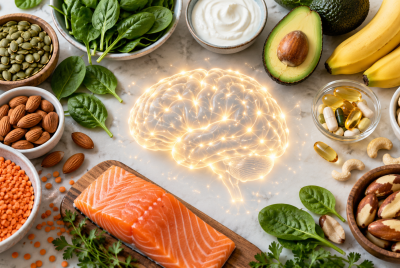
10 Biohacking Supplements That May Support Brain Health
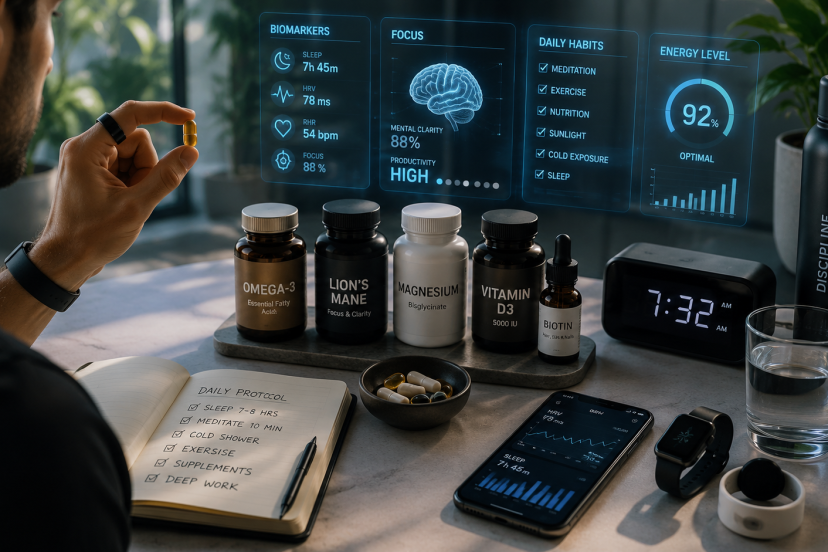
We may earn a commission for purchases made using our links. Please see our disclosure for more details.
Biohacking supplements have become increasingly popular among people looking to support focus, memory, and overall brain performance. While some ingredients are backed by promising research, others may not offer the benefits they claim. In this guide, we’ll explore 10 supplements that may support brain health and help you decide which ones are worth considering.
What Are Biohacking Supplements?
Biohacking supplements are products people use to support mental performance, energy, focus, mood, or long-term wellness.
In the brain-health world, they often include:
- Nootropics
- Adaptogens
- Vitamins
- Minerals
- Amino acids
- Mushroom extracts
- Essential fatty acids
The objective is not to “hack” your brain as if it were a computer. Think of it as support. You’re providing your brain with essential nutrients and compounds that perhaps can make it perform better given the right circumstances.
With that said, supplements aren’t magic. They can’t make up for bad sleep, chronic stress or a diet lacking in nutrients. If your foundation is weak, the best supplement stack in the world will feel underwhelming.
How Biohacking Supplements May Support Brain Health
Your brain needs steady fuel, healthy blood flow, neurotransmitter balance, and protection from oxidative stress.
Some supplements may help by supporting:
- Memory and learning
- Mental clarity
- Calm focus
- Stress resilience
- Brain cell membrane health
- Energy production
- Healthy aging
For example, omega-3 fatty acids are important for cell membranes, while creatine may help with cellular energy. Bacopa monnieri has been studied for memory, and L-theanine is often used for smoother focus when paired with caffeine.
If your main goal is sharper recall and daily productivity, you may also enjoy this guide on how to improve working memory naturally.
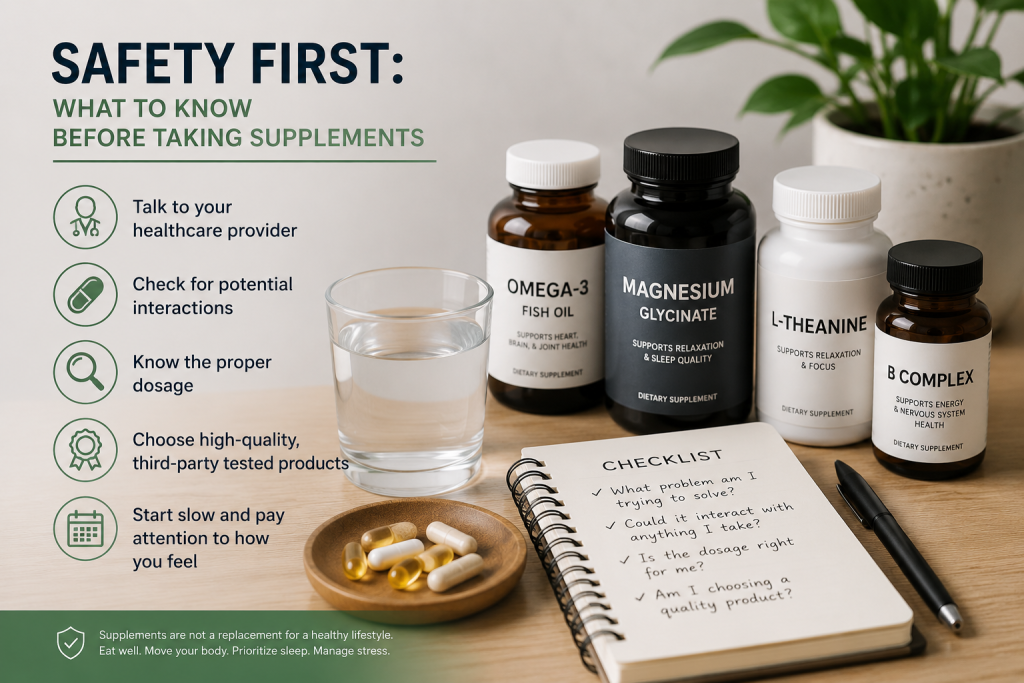
Safety First: What to Know Before Taking Supplements
Before we get into the list, let’s keep this practical.
Supplements can interact with medications. Some may affect blood pressure, blood sugar, sleep, mood, or blood clotting. If you are pregnant, nursing, managing a medical condition, or taking prescription medication, talk with a healthcare professional first.
Also, choose quality over hype. Look for products that are:
- Third-party tested
- Clearly labeled
- Free from unnecessary mega-doses
- Made by reputable brands
- Transparent about ingredient forms and amounts
Avoid blends that hide everything behind a “proprietary formula.” If you cannot see how much of each ingredient you are getting, it is harder to judge safety or effectiveness.
10 Biohacking Supplements That May Support Brain Health
1. Omega-3 Fatty Acids
Omega-3s, especially DHA, help support healthy brain cell structure. They may also support cognitive wellness over time. Good sources include salmon, sardines, fish oil, and algae-based omega-3 supplements.
2. Creatine
Creatine supports cellular energy, which matters because the brain uses a lot of fuel. It may be helpful during stress, sleep loss, or mentally demanding tasks. Creatine monohydrate has the strongest research support among creatine forms.
3. Bacopa Monnieri
Bacopa is a popular nootropic herb often used for memory and learning support. It usually works gradually, so consistent use over several weeks matters. Taking it with a meal may make it easier on your stomach.
4. L-Theanine
L-theanine, found in green tea, may support calm focus. Many people pair it with caffeine because it can help smooth out jitters while still supporting alertness.
5. Lion’s Mane Mushroom
Lion’s mane is a mushroom supplement studied for cognitive health, mood, and nerve support. The research is still developing, so think of it as promising rather than proven.

6. Magnesium
Magnesium supports nerve function, relaxation, and energy production. It may be useful when stress or poor sleep affects mental clarity. Magnesium glycinate is a common option for relaxation.
7. Vitamin B Complex
B vitamins help convert food into energy and support the nervous system. B12, B6, and folate all play key roles in keeping the brain and nervous system working well. Choose moderate doses unless a healthcare provider suggests otherwise.
8. Rhodiola Rosea
Rhodiola is an adaptogenic herb often used for stress resilience and mental stamina. It may help when fatigue affects focus, but it can feel stimulating for some people.
9. Phosphatidylserine
Phosphatidylserine is found in brain cell membranes and is often used for memory, attention, and healthy aging. It works best as part of a long-term brain-support routine.
10. Caffeine
Caffeine can support alertness, reaction time, and energy. Coffee, tea, and matcha are common sources. Use it earlier in the day to avoid sleep problems.
What Science Says About Brain-Health Supplements
Research on biohacking supplements is mixed. Some ingredients have stronger evidence than others, and many studies are small or use specific populations.
For example, the NIH Office of Dietary Supplements explains that omega-3 fatty acids such as EPA and DHA are found in fish and seafood and play important roles in the body. You can read more in this detailed resource on omega-3 fatty acids and health.
Bacopa also has research behind it. A review available through NCBI found that bacopa showed the most consistent effects in memory-related tasks, especially free recall. You can explore the findings in this review of Bacopa monnieri and cognitive performance.
Still, supplements should not be treated like guaranteed results. Your age, diet, sleep, stress, health status, and consistency all matter.
How to Choose the Right Biohacking Supplement
Start with your goal.
If you want calm focus, L-theanine with caffeine may make sense. If you want long-term nutritional support, omega-3s or a B-complex may be more practical. If your brain feels tired during intense work periods, creatine or rhodiola may be worth exploring.
Ask yourself:
- What specific issue do I want this supplement to help with?
- Is there a deficiency or lifestyle issue behind it?
- Does this supplement have human research?
- Is the dose clear?
- Could this affect any medication or supplement I already use?
- Can I track whether it actually helps?
A simple supplement routine you can stick with beats a crowded stack you barely understand.
Common Mistakes to Avoid
The biggest mistake is expecting supplements to fix lifestyle problems.
If you sleep five hours a night, skip meals, and live on stress, your brain will feel it. Supplements may help at the margins, but they cannot replace recovery.
Another mistake is stacking too many products at once. If you start five supplements in the same week, you will not know what helps or what causes side effects.
Add only one new supplement to your routine at a time. Track your focus, sleep, mood, digestion, and energy for a few weeks. Then decide whether it earns a place in your routine.
Conclusion
Biohacking supplements can be a helpful part of a brain-health routine, but they work best when you choose them with realistic expectations. Ingredients like omega-3s, creatine, bacopa, L-theanine, and magnesium may support focus, memory, calm energy, or overall cognitive wellness, especially when paired with good sleep, balanced nutrition, and consistent daily habits. The smartest approach is to start simple, look for research-backed options, and pay attention to how your body responds.
FAQs
1. What are the best biohacking supplements for focus?
L-theanine with caffeine is one of the most popular combinations for focus. Creatine, rhodiola, and bacopa may also support mental performance, depending on your needs.
2. Are biohacking supplements safe?
Many are safe for healthy adults when used properly, but safety depends on the ingredient, dose, health status, and medications. Always check with a healthcare professional if you have concerns.
3. Do nootropic supplements work immediately?
Some, like caffeine, may work quickly. Others, such as bacopa or omega-3s, usually need consistent use over weeks or months.
4. Can I take several brain supplements together?
You can, but it is smarter to start one at a time. This helps you notice benefits, side effects, and interactions more clearly.
5. What is the most natural way to support brain health?
Sleep, exercise, hydration, whole foods, stress management, and learning new skills are still the foundation. Supplements work best when they support those habits.