5 Neuroplasticity Exercises That Improve Memory

We may earn a commission for purchases made using our links. Please see our disclosure for more details.
Your brain is not fixed. It can adapt, strengthen connections, and improve how it stores and recalls information through the right kind of practice. That is the idea behind neuroplasticity exercises—simple mental and physical activities that train your brain to learn, focus, and remember more effectively. In this article, you’ll discover five practical exercises that may support better memory, plus how to use them consistently as part of a healthy brain-care routine.
What Are Neuroplasticity Exercises?
Neuroplasticity exercises are activities that challenge your brain to learn, remember, adapt, or pay attention in new ways.
They are not random brain games done once in a while. The best exercises usually include three things:
First, they require focus. Second, they become slightly harder over time. Third, they connect to real-life skills, such as remembering names, learning a language, solving problems, or staying mentally organized.
Think of them like workouts for your nervous system. A single push-up will not change your body. In the same way, one crossword puzzle will not transform your memory. But steady practice can make a real difference.
Why Memory Improves Through Repetition and Challenge
Your memory relies on attention, encoding, storage, and recall. If your attention is weak, your memory often looks weak too.
That is why many people say, “I forgot,” when the real issue is, “I never fully paid attention in the first place.”
Neuroplasticity works best when your brain has a reason to adapt. This means the exercise should be just hard enough to make you work, but not so hard that you quit. That balance point is where real learning begins.
In addition, lifestyle matters. A review on exercise, diet, sleep, and brain plasticity notes that neuroplasticity is influenced by daily habits, including physical activity, nutrition, and rest.
1. Spaced Recall Practice
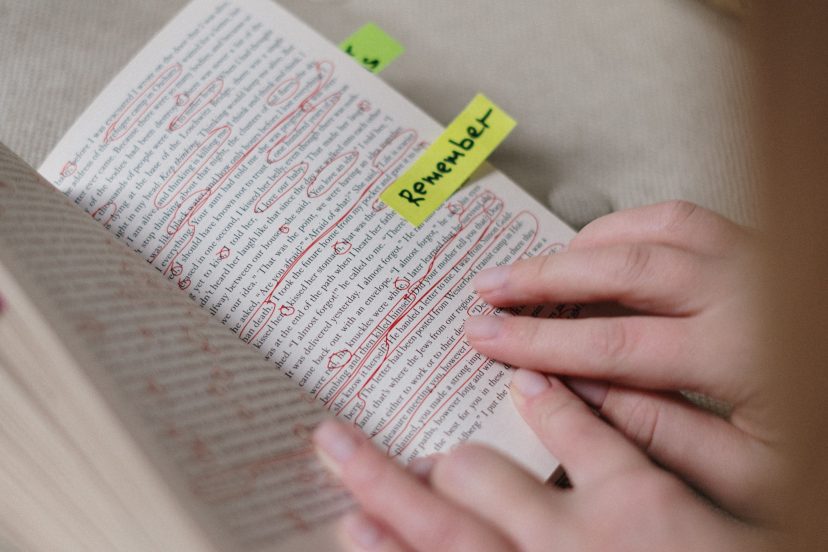
Spaced recall is one of the most practical memory exercises you can do. Instead of reading something over and over, you test yourself after short gaps.
This trains your brain to retrieve information, not just recognize it.
How to Do It
Choose something you want to remember. It could be a name, definition, study note, password hint, new word, or key idea from a book.
Review it once. Then test yourself after:
- 10 minutes
- 1 hour
- 1 day
- 3 days
- 1 week
Do not peek immediately. Give your brain a few seconds to search. That little struggle is useful.
Why It Helps Memory
Recall strengthens the memory pathway. Re-reading feels easier, but testing yourself usually builds stronger memory.
For example, if you are reading about brain vitamins, nootropics, or study supplements, do not just highlight every sentence. Read one section, close the page, and explain the idea in your own words. You can also pair this habit with a practical guide like this article on brain vitamins for studying to better understand how nutrition may fit into a broader brain-health routine.
2. Learn Something Slightly Difficult
Your brain loves efficiency. That is helpful, but it can also make your mind lazy if you never challenge it.
Learning something new forces the brain to create and strengthen connections. Choose an activity that challenges you, but still feels manageable.
Good Activities to Try
Try one of these:
- Learn 10 words in a new language
- Practice a musical instrument
- Take up chess, coding, drawing, or photography
- Memorize a short poem
- Learn a new recipe without checking every step
The activity matters less than the challenge. Your brain needs novelty, effort, and repetition.
How to Make It Work
Practice for 15–20 minutes a day. Keep it small enough to repeat.
For memory, active learning beats passive watching. So instead of watching five videos about Spanish, learn five words and use them in sentences. Instead of watching someone play piano, practice one simple chord progression.
Small, consistent effort beats occasional heroic effort. Your brain is dramatic, but it appreciates routine.
3. Dual-Task Movement Training
Movement is not just for your body. It can also support brain health.
Aerobic exercise has been linked with neuroplasticity, learning, and memory in scientific reviews. One systematic review on aerobic exercise and neuroplasticity found that physical activity may influence cognitive function and brain adaptability through several biological pathways.
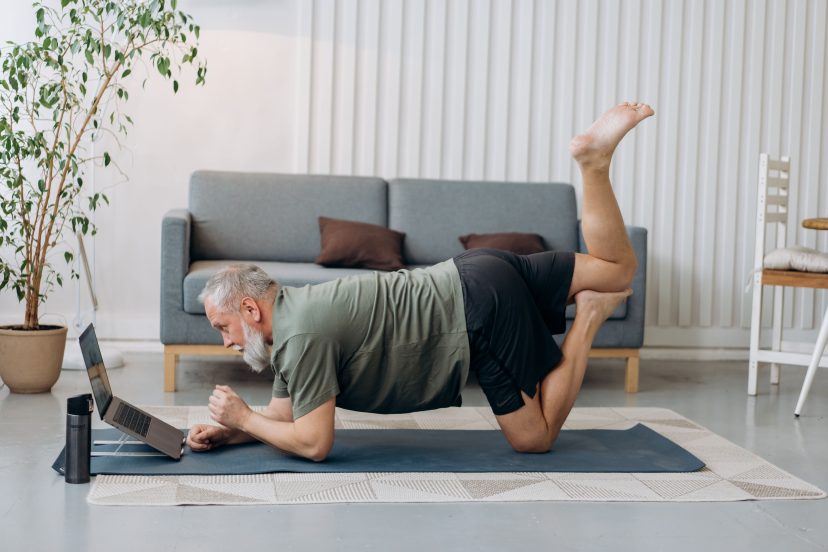
Dual-task training adds a memory challenge while you move.
Simple Examples
Try these:
- Walk while naming animals alphabetically
- Step side to side while counting backward by threes
- Toss a ball while recalling your grocery list
- March in place while spelling words backward
- Do light squats while naming five things you learned today
Keep it safe. You do not need intense exercise. The goal is to combine movement with thinking.
Why Movement Matters
Movement increases blood flow and wakes up attention. When you add a mental task, your brain must coordinate memory, balance, rhythm, and focus at once.
This can be especially helpful if you feel mentally foggy after sitting too long. A short walk with a recall challenge can reset your brain better than another cup of coffee.
4. Visualization and Memory Palace Practice
The memory palace technique sounds fancy, but it is simple. You connect information to a place you already know.
Your brain remembers images and locations better than plain lists. So, instead of trying to memorize random words, you turn them into vivid mental pictures.
How to Build a Memory Palace
Choose a familiar place, such as your home.
Pick five locations in order:
- Front door
- Sofa
- Kitchen sink
- Bedroom
- Bathroom mirror
Now attach one item or idea to each location. Make the image weird, funny, or exaggerated.
For example, if you need to remember “omega-3,” imagine a giant fish wearing sunglasses at your front door. Silly? Absolutely. Memorable? Also yes.
Best Uses
This works well for:
- Shopping lists
- Presentation points
- Study notes
- Names and faces
- Steps in a process
The more vivid the image, the better. Your brain enjoys strange little movies.
5. Focused Attention Training
Memory starts with attention. If your mind is jumping between five tabs, three notifications, and one half-finished snack, your brain will not encode information well.
Focused attention training helps you stay with one thing at a time.
How to Practice
Set a timer for five minutes.
Choose one focus point:
- Your breathing
- A candle flame
- A paragraph in a book
- A sound in the room
- A single study card
When your mind wanders, gently bring it back. That return is the exercise.
Do not judge yourself for getting distracted. Noticing distraction and returning to focus is the whole point.
Why Attention Comes Before Memory
You cannot remember what your brain never properly received.
Focused attention helps improve the “front door” of memory. Once your attention gets stronger, recall often feels easier because your brain has better information to work with.
This is especially useful for people interested in nootropics and supplements. A supplement may support a healthy routine when appropriate, but it cannot replace attention, sleep, movement, and learning practice.
Recommended Products
The best products for neuroplasticity exercises are not magic pills. They are tools that make practice easier, more fun, and more consistent.
| Product | Why It Helps |
| ThinkFun Rush Hour Traffic Jam Logic Game | Encourages planning, problem-solving, and flexible thinking. |
| Learning Resources BrainBolt Genius | Helps train visual memory, sequencing, and attention. |
| The Memory Book by Harry Lorayne and Jerry Lucas | Teaches practical memory techniques like association and visualization. |
| Fit Simplify Resistance Loop Exercise Bands | Supports light movement breaks that pair well with dual-task memory drills. |
| Rocketbook Smart Reusable Notebook | Useful for spaced recall, study notes, journaling, and tracking memory practice. |
Use these products as support tools, not shortcuts. The real progress comes from repeated practice.
Conclusion
Neuroplasticity exercises work best when they are simple, repeatable, and just challenging enough to keep your brain engaged. Spaced recall helps you retrieve information. New skills push your brain to adapt. Movement helps refresh your mind while energizing your body. Visualization makes information stick. Focused attention helps your brain capture memories in the first place. If you also care about nootropics or brain supplements, treat them as possible support—not the foundation. Your daily habits are still the main event. Start with one exercise today, repeat it tomorrow, and let your brain build from there.
FAQs
1. What are the best Neuroplasticity Exercises for memory?
The best exercises include spaced recall, learning new skills, visualization, memory palace practice, dual-task movement, and focused attention training. These activities challenge your brain to pay attention, retrieve information, and build stronger learning pathways.
2. How often should I do neuroplasticity exercises?
Aim for 10–20 minutes a day. Consistency matters more than long sessions. Your brain responds better to regular practice than occasional intense effort.
3. Can neuroplasticity exercises help with studying?
Yes, they can support studying by improving recall, attention, and learning habits. Spaced recall is especially useful because it trains your brain to retrieve information instead of simply rereading it.
4. Do nootropics improve neuroplasticity?
Some nootropics are marketed for focus and memory, but results vary. They should not replace sleep, exercise, nutrition, and cognitive training. Always check ingredients and talk with a healthcare professional if you take medication or have a health condition.
5. How much time does memory improvement take?
Some people notice better focus within a few weeks, but stronger memory habits usually take consistent practice over time. Start small, track your progress, and increase the challenge gradually.