
Best Minerals for Brain Health and Nerve Support
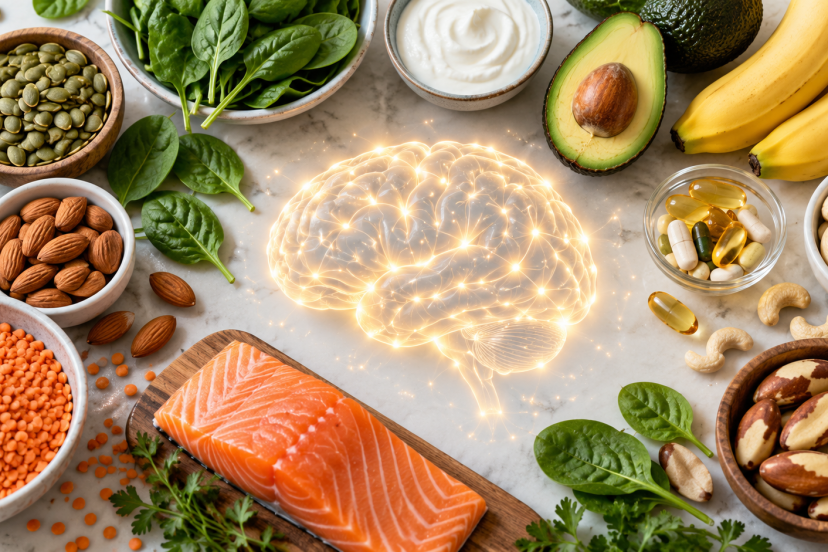
We may earn a commission for purchases made using our links. Please see our disclosure for more details.
Your brain works around the clock, even when you’re sleeping. It manages memory, concentration, movement, and communication between nerve cells. To perform these tasks properly, it needs a steady supply of essential nutrients. Minerals for brain health play an important role in nerve signaling, energy production, and normal cognitive function. Magnesium helps regulate nerve activity, while zinc contributes to communication between neurons. Iron helps deliver oxygen throughout the body, including the brain.
But taking more minerals doesn’t necessarily improve mental performance. The goal is to get enough of the right nutrients without exceeding safe amounts. Here’s what the science says about the most important minerals and how to include them in your daily routine.
Why Minerals Matter for Brain Health
Minerals for brain health support many biological processes that keep your brain and nervous system functioning.
Your nerve cells use electrical and chemical signals to communicate. Minerals help regulate these signals, maintain normal cell activity, and support the production of energy.
A scientific review of vitamins and minerals for cognition and fatigue published in Nutrients explains how magnesium, zinc, and iron contribute to neurological function and energy metabolism.
However, the researchers emphasized the importance of adequate nutrient intake rather than suggesting that extra supplements automatically enhance cognition.
For most healthy adults, a balanced diet remains the best starting point.
Best Minerals for Brain Health and Nerve Support
Several minerals contribute to neurological health. Each performs different functions, so understanding their roles can help you make better nutrition decisions.
1. Magnesium: Supports Nerve Function
Magnesium helps regulate nerve signaling, muscle function, and energy production. It also participates in processes that influence how nerve cells respond to stimulation.
Low magnesium levels may contribute to fatigue, weakness, and neurological symptoms when deficiency becomes severe.
Best food sources: Pumpkin seeds, almonds, spinach, black beans, and whole grains.
Magnesium glycinate and magnesium citrate are common supplement forms. Magnesium L-threonate is also marketed for cognitive support, although convincing evidence of meaningful benefits in healthy adults remains limited.
2. Zinc: Important for Brain Cell Communication
Zinc contributes to normal brain development, cellular repair, and communication between neurons.
It also supports enzymes involved in antioxidant protection and healthy cellular function.
A review of zinc and central nervous system disorders describes zinc’s involvement in neurotransmission, learning, and memory. Researchers also highlight the importance of maintaining balanced zinc levels.
Best food sources: Oysters, beef, pumpkin seeds, chickpeas, and dairy products.
Excessive zinc supplementation can interfere with copper absorption, potentially harming nerve health.

3. Iron: Helps Deliver Oxygen to the Brain
Iron supports hemoglobin production, allowing red blood cells to transport oxygen.
Your brain needs a reliable oxygen supply to maintain normal function. Iron also contributes to energy metabolism and neurotransmitter production.
Iron deficiency, particularly when it causes anemia, can contribute to tiredness, poor concentration, and reduced mental performance.
Best food sources: Lean meat, lentils, beans, tofu, and fortified cereals.
Iron supplements are most appropriate when testing or medical assessment identifies a need. Excess iron can damage organs, so avoid taking high doses simply to improve focus.
4. Copper: Supports Nerve Cell Health
Copper helps produce cellular energy and supports enzymes involved in nervous-system function.
It also contributes to neurotransmitter synthesis and the maintenance of healthy nerve tissues.
Copper deficiency can cause neurological problems, including weakness, numbness, and difficulty coordinating movement.
Best food sources: Cashews, sunflower seeds, shellfish, mushrooms, and whole grains.
Most people obtain sufficient copper through food. Additional supplementation usually isn’t necessary without a specific medical reason.
5. Calcium: Helps Nerves Send Signals
Calcium does more than maintain healthy bones.
Nerve cells rely on calcium to release neurotransmitters, the chemical messengers that carry signals between neurons.
Calcium also supports muscle contraction and communication between nerves and muscles.
Best food sources: Yogurt, milk, calcium-set tofu, fortified plant milk, and leafy greens.
However, extra calcium has not been shown to improve memory or concentration in people who already consume enough.
6. Potassium: Maintains Electrical Activity
Potassium helps regulate electrical signals across nerve cell membranes.
Together with sodium, it supports the electrical changes that allow nerves to send messages and muscles to respond.
Very low potassium can cause weakness and muscle problems. Severe imbalances can become medically dangerous.
Best food sources: Potatoes, beans, bananas, avocados, and spinach.
Food sources are generally preferable to potassium supplements unless a healthcare professional recommends them.
7. Selenium: Supports Antioxidant Defense
Selenium contributes to antioxidant enzymes that help protect cells from oxidative damage.
It also supports thyroid hormone metabolism, which influences energy use throughout the body.
Researchers continue to explore selenium’s relationship with brain aging, but there isn’t enough evidence to recommend selenium supplements for preventing cognitive decline.
Best food sources: Seafood, eggs, poultry, and Brazil nuts.
Brazil nuts can contain exceptionally high amounts of selenium. Eating several regularly alongside supplements may lead to excessive intake.
Can Mineral Deficiencies Affect Memory and Focus?
Yes. Certain deficiencies can contribute to tiredness, reduced attention, or neurological symptoms.
Iron deficiency may reduce concentration through anemia and impaired oxygen delivery. Severe magnesium deficiency can disrupt normal nerve and muscle function.
Insufficient copper levels may also affect nerve function and lead to neurological complications.
However, brain fog doesn’t automatically indicate a mineral deficiency. Poor sleep, stress, medication effects, and other health conditions can produce similar symptoms.
If concentration problems keep returning, these practical strategies for overcoming mental blocks and improving focus can help you examine other possible causes.
Persistent or worsening symptoms deserve medical evaluation rather than trial-and-error supplementation.
Best Food Sources of Brain-Healthy Minerals
You don’t need an elaborate diet to obtain essential minerals.
Start with everyday foods that provide several nutrients together.
| Food | Key Minerals |
| Pumpkin seeds | Magnesium, zinc, iron |
| Spinach | Magnesium, potassium, iron |
| Lentils | Iron, potassium, magnesium |
| Salmon | Selenium, potassium |
| Cashews | Copper, magnesium, zinc |
| Yogurt | Calcium, potassium |
| Lean beef | Iron, zinc, selenium |
Combining different food groups helps cover nutritional needs without relying heavily on supplements.
For example, a meal containing lentils, spinach, and pumpkin seeds provides several minerals that support normal nervous-system function.

Should You Take Mineral Supplements?
Mineral supplements can help when your diet doesn’t provide enough of a particular nutrient. They’re also useful when medical conditions or medications affect nutrient absorption.
However, healthy adults shouldn’t assume that higher mineral intake produces better cognitive performance.
If you’re interested in nootropics, understanding the difference between essential nutrients and compounds marketed for cognition is helpful. This guide to Alpha-GPC benefits for memory and attention explores another commonly discussed brain-health ingredient.
Before buying mineral supplements, consider your diet, existing supplements, medications, and potential deficiency risks.
5 Recommended Mineral Supplements
These five products provide minerals involved in normal brain and nerve function. They are worth comparing if your diet or medical assessment indicates a need.
1. NOW Foods Supplements Magnesium Glycinate 100 mg
A magnesium glycinate supplement suitable for people looking to increase magnesium intake. Magnesium supports normal nerve signaling, muscle function, and energy metabolism.
Best for: Magnesium supplementation and general nerve support.
2. Solgar Zinc Picolinate 22 mg
Provides zinc in a picolinate form. Zinc contributes to normal cellular function and neurotransmission, but supplementation offers the clearest benefit when intake is insufficient.
Best for: Addressing inadequate zinc intake.
3. Nature Made Iron 65 mg
An iron supplement intended to help address iron deficiency. Adequate iron supports oxygen delivery and energy metabolism, which are essential for normal brain function.
Best for: People with medically confirmed iron deficiency.
4. NOW Foods Calcium Citrate
A calcium citrate supplement that can help fill dietary calcium gaps. Calcium supports normal nerve communication and muscle activity.
Best for: Adults who struggle to meet their calcium needs through food.
5. NOW Foods Selenium 100 mcg
Provides selenium, a trace mineral involved in antioxidant defense and thyroid function. Selenium supplementation is generally unnecessary when dietary intake is already adequate.
Best for: Addressing insufficient selenium intake when recommended.
Conclusion
The best minerals for brain health include magnesium, zinc, iron, copper, calcium, potassium, and selenium. Each supports essential processes involved in nerve communication, energy production, or normal neurological function. A varied diet provides most of these nutrients naturally. Supplements can help correct deficiencies, but taking extra minerals won’t necessarily improve memory or focus. Prioritize nutritious meals, consistent sleep, physical activity, and appropriate medical guidance to support long-term brain health.
FAQs
1. What is the best mineral for brain health?
No single mineral is best for everyone. Magnesium, zinc, and iron support important neurological processes, but your individual nutritional needs determine which deserves attention.
2. Can magnesium improve memory and focus?
Magnesium supports normal nerve function, but evidence that magnesium supplements improve memory or focus in healthy adults remains limited.
3. What mineral deficiencies may contribute to brain fog?
Iron deficiency can contribute to poor concentration and fatigue. Other deficiencies may also affect neurological function, but brain fog has many possible causes.
4. Is zinc good for brain health?
Yes. Zinc participates in neuronal communication and other cellular processes. However, taking extra zinc does not guarantee better cognitive performance.
5. Can I take several mineral supplements together?
Some minerals can be combined, but others compete for absorption or cause problems at high doses. Check total intake and consult a healthcare professional, especially if you take medications.