9 Natural Supplements for Anxiety and Stress Relief
We may earn a commission for purchases made using our links. Please see our disclosure for more details.
Stress has a tendency to creep up on you. And when it starts to interfere with your sleep, concentration, and mood, you find yourself feeling more wound up than relaxed. When that happens, it’s natural to feel overwhelmed by all the advice and products that promise quick relief. Natural supplements for anxiety may aid in the promotion of a calmer mind and a more stable mood, and this guide will lead you through the choices that have legitimate research behind them so you can make your selection with confidence.
Understanding the Root Causes of Anxiety
Anxiety usually builds from everyday stress rather than a single event. Poor sleep, heavy workloads, constant notifications, and too much caffeine can all push your nervous system into overdrive. Over time, that pressure shows up as racing thoughts, irritability, muscle tension, or trouble focusing.
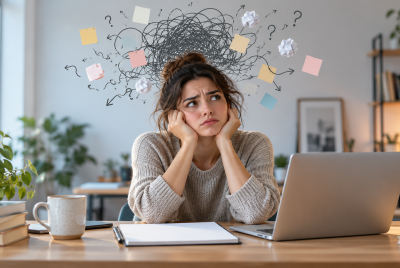
Mental overload is another common trigger. When your brain is juggling too many tasks, stress feels louder and harder to manage. That’s why simple habits—like improving your routine and using practical concentration tips—can help calm the mental noise and restore focus.
Anxiety often has clear triggers. Once you understand them, you can choose smarter solutions—whether that means better sleep, healthier habits, or supportive supplements.
How To Choose Supplements For Anxiety Without Wasting Money
Start with the symptom pattern, not the trend. If your anxiety comes with muscle tightness and poor sleep, magnesium may be a smarter first step than saffron. Now, if your main issue is stress overload and feeling on edge, ashwagandha, lavender, or L-theanine may make more sense. If digestion and mood move together for you, probiotics may be worth a closer look.
Next, read the label like a skeptic. Look for the actual ingredient name, dose, serving size, and whether the product uses a studied form or standardized extract. Also remember that combination formulas can make it harder to tell what is helping, or what is causing side effects. Since supplements are not preapproved by the FDA before sale, brand quality matters.
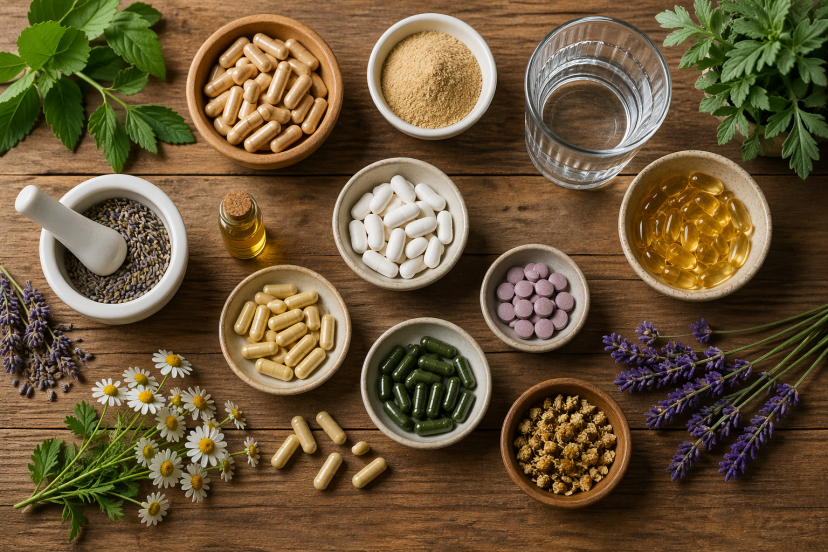
Top Supplements for Anxiety and Stress
The supplements below are some of the most commonly used for anxiety and stress relief, with growing research behind them. While results can vary from person to person, these options may offer gentle support as part of a balanced routine.
1. Ashwagandha
Ashwagandha is a well-known herbal supplement used to reduce stress and support a calmer mood. Research suggests it may help lower cortisol, the body’s main stress hormone, which can improve sleep and reduce feelings of tension. Most people use it daily for several weeks before noticing benefits.
Best fit: Ongoing stress, burnout, trouble relaxing, or feeling mentally drained.
2. Lavender
Lavender supplements are commonly used to ease nervousness and promote relaxation. A meta-analysis of clinical trials concluded that oral lavender oil significantly improved anxiety symptoms compared with placebo, making it one of the most researched herbal options for stress relief. Many people find it helpful for calming the body without causing heavy drowsiness.
Best fit: Nervous tension, restlessness, or stress during busy days.
3. Magnesium
Magnesium is an essential mineral that supports muscle relaxation, sleep quality, and nervous system balance. Low magnesium levels can contribute to irritability, fatigue, and anxiety. A systematic review published in Nutrients found that magnesium supplementation may help reduce subjective anxiety and stress, especially in people with low magnesium levels. Supplementing can help the body relax, especially at night.
Best fit: Muscle tension, poor sleep, headaches, or mild anxiety linked to stress.
4. L-theanine
L-theanine is an amino acid found in green tea that promotes calm focus without making you feel sleepy. It works by supporting brain chemicals that regulate mood and attention. Many people use it to stay relaxed during work, studying, or stressful situations.
Best fit: Racing thoughts, mental overload, or stress-related focus problems.
5. Omega-3 Fatty Acids
Omega-3s are healthy fats that support brain function and emotional balance. They help reduce inflammation in the body, which may play a role in mood and stress regulation. While they are not a fast-acting anxiety solution, they support long-term mental wellness.
Best fit: Mood support, brain health, and chronic stress management.
6. Chamomile
Chamomile is a gentle herbal supplement known for its calming effects. It can help calm the nervous system and support better sleep at night. Many people take chamomile in the evening to wind down after a stressful day.
Best fit: Mild anxiety, bedtime stress, or difficulty relaxing at night.
7. Saffron
Saffron is a natural plant extract that has gained attention for supporting mood and emotional balance. Some studies suggest it may help reduce symptoms of anxiety and low mood. It is typically taken in small daily doses.
Best fit: Stress-related mood changes or feeling emotionally low.
8. Lemon Balm
Lemon balm is a soothing herb that helps calm the nervous system and reduce feelings of restlessness. It is often used during periods of high stress or emotional tension. Many people find it helpful for promoting relaxation without sedation.
Best fit: Stress spikes, nervous tension, or feeling on edge.
9. Probiotics
Probiotics support gut health, which is closely connected to mood and stress through the gut–brain connection. A balanced gut microbiome may help improve emotional stability and reduce stress-related symptoms. Benefits usually develop gradually over time.
Best fit: Anxiety linked to digestive issues, bloating, or irregular digestion.
Recommended Products To Consider
These are not medical prescriptions. They are simply sensible, widely available examples that match the evidence-backed categories above:
1. Gaia Herbs Ashwagandha Root
A straightforward ashwagandha option from a known herbal brand. Best for people who want a single-ingredient stress support product.
2. Nature’s Way CalmAid Lavender
A practical pick if you want the supplement category with one of the clearest anxiety-specific herbal signals.
3. NOW Foods L-Theanine
Good for people who want something simple for stress, focus, or that overstimulated feeling.
4. Doctor’s Best High Absorption Magnesium
A reasonable basic option for people whose anxiety overlaps with muscle tension, sleep trouble, or low magnesium intake.
5. Life Extension Optimized Saffron
A more specialized choice for those interested in the growing saffron research on mood and anxiety.
Conclusion
Anxiety can feel overwhelming, but small, consistent steps often make the biggest difference. Supplements for anxiety like ashwagandha, magnesium, L-theanine, and lavender may offer helpful support, especially when stress starts affecting sleep, focus, or daily energy. Still, no supplement works in isolation. The real progress usually comes from combining the right supplement with healthy habits like better sleep, balanced nutrition, and practical stress-management routines.
FAQs
1. What are the best supplements for anxiety?
The strongest consumer interest usually centers on ashwagandha, lavender, magnesium, L-theanine, and omega-3s, but the “best” choice depends on your symptoms, medication use, and health history. Evidence is promising for some of these, but not equally strong across the board.
2. Do natural supplements work for stress relief?
Some do appear to help certain people, especially for mild stress or symptom support. However, the research quality varies, and supplements should not replace therapy or medical care when anxiety is persistent, severe, or disruptive.
3. Is ashwagandha good for anxiety?
Ashwagandha has some of the better evidence in this space. NIH says several trials suggest it may reduce stress and anxiety, but NCCIH also notes the evidence on anxiety is not fully settled and safety precautions matter.
4. Can magnesium help with anxiety?
It might, especially for mild anxiety, stress, or insomnia and in people with lower magnesium status. Still, it is not a guaranteed anxiety fix, and supplement doses should stay within safe limits unless a clinician advises otherwise.
5. Are supplements for anxiety safe to take every day?
Not always. Some are fine short term for many adults, while others can interact with medications, affect pregnancy, or cause side effects. Daily use should be based on the ingredient, dose, and your personal health situation.