7 Daily Brain Health Habits That Keep Your Mind Young

We may earn a commission for purchases made using our links. Please see our disclosure for more details.
Your mind isn’t kept sharp by a single supplement, one food, or an occasional crossword. It reacts to the habits you engage in every day, including how well you sleep and how often you exercise your brain. Good brain health habits can help with memory, focus, mood and even long-term thinking. Supplements may have a role to play, but their effects are best felt when they are part of a foundation of healthy habits. In this post, you’ll learn about seven evidence-based habits that can help protect and even enhance your brain function as you age.
Why Brain Health Habits Matter
Your brain needs more than puzzles and supplements to keep healthy. Education, exercise, social interaction, blood pressure, and other variables, may affect cognitive health throughout the life course.
The 2024 Lancet Commission outlined 14 risk factors for dementia that may be reduced or managed. Its message is practical: supporting the brain starts early, but useful changes can still matter later in life.
1. Move Your Body Every Day
Regular movement supports your heart, mood, sleep, and brain health. You do not need a hard workout for it to count. A brisk walk, bike ride, dance session, or short strength routine can all help.
A large review of more than 300,000 people found a modest link between physical activity and better thinking skills later in life. The best routine is the one you can keep doing.
Try to break up long sitting periods too. Walk during calls, stretch between tasks, or split exercise into two short sessions.
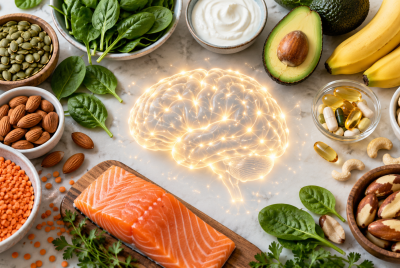
2. Build Meals Around Brain-Friendly Foods
Your brain needs steady fuel from healthy fats, protein, vitamins, minerals, and plant-rich foods.
Focus on simple staples like vegetables, fruit, beans, whole grains, nuts, olive oil, fish, eggs, and minimally processed foods. A 2024 meta-analysis linked closer Mediterranean diet habits with a lower risk of dementia and Alzheimer’s disease, although this does not prove diet alone caused the lower risk.
Start small by adding one colorful plant food to each meal. For more meal ideas, explore this guide to the MIND diet and brain-supportive foods.
3. Protect Your Sleep Schedule
Sleep helps your brain recover, process information, and support memory. Poor sleep can affect focus, mood, and decision-making the next day.
Aim for a regular sleep routine by going to bed and getting up around the same time each day. Keep your room cool and dark, dim lights at night, and avoid working or scrolling in bed.
Many adults feel and function best with roughly seven to nine hours of sleep each night. If you snore loudly, wake up gasping, or feel tired despite enough sleep, speak with a healthcare professional.

4. Keep Learning and Practice Recall
Your brain benefits from activities that require focus, memory, and problem-solving. Passive scrolling usually does not offer the same challenge.
Read a chapter and summarize it from memory. Learn a recipe, practice a language, play an instrument, or try a hobby that keeps stretching your skills.
You do not need an expensive program. These working-memory improvement tips explain how active recall, focused practice, and single-tasking can fit into daily life.
5. Stay Socially Connected
Conversation keeps your brain active. You listen, remember details, interpret tone, and respond in real time.
Make connection part of your routine. Call a relative, meet a friend, join a walking group, volunteer, or take a class.
Quality matters more than a packed calendar. Focus on relationships that feel supportive and mutual. Research reviewed by the National Institute on Aging has linked social isolation and loneliness with poorer health and faster cognitive decline in older adults.
6. Create a Daily Stress Reset
Short-term stress can help you handle a challenge. Ongoing stress can affect sleep, focus, mood, and decision-making.
Choose one simple reset you can repeat daily. Try slow breathing, a quiet walk, prayer, journaling, stretching, or sitting outside without your phone.
The point is not to make every difficult emotion disappear. It is to give your mind a steady way to calm down and refocus.
7. Treat Heart Health as Brain Health
Your brain depends on healthy blood flow. That makes blood pressure, blood sugar, cholesterol, smoking, alcohol use, and physical activity important for long-term brain health.
Keep up with checkups, take prescribed medication as directed, and ask your doctor which health numbers to watch. Avoid smoking, limit alcohol, and build habits that support your heart.
Research from the National Institute on Aging suggests that managing high blood pressure may support brain health and lower the risk of mild cognitive impairment in some older adults.
Protect your hearing and vision too. Untreated sensory loss can make communication and social connection harder, which can affect healthy aging.
Where Supplements Fit In
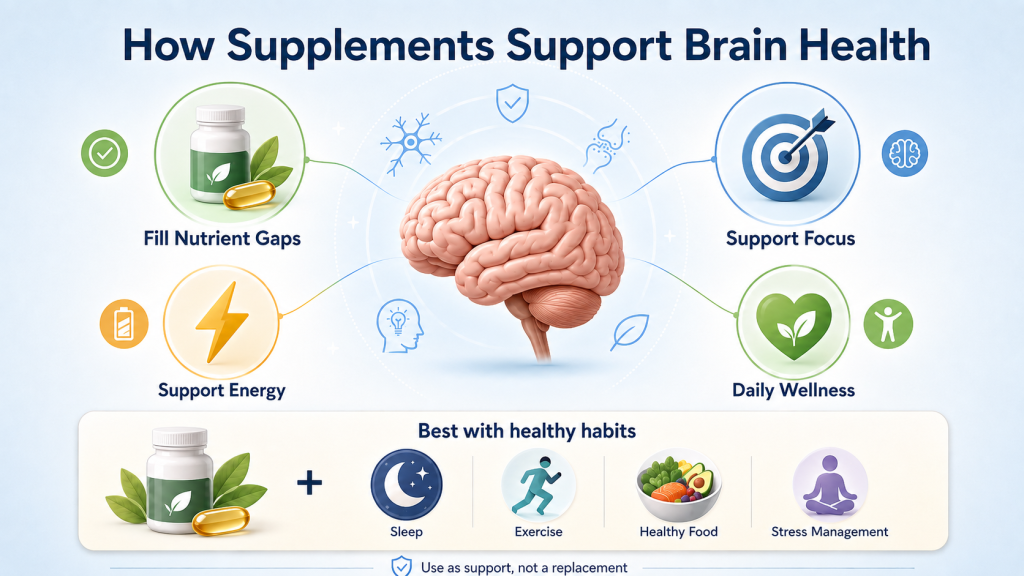
Supplements can be useful when they address a specific deficiency or help fill a gap in your diet. However, they work best as part of a healthy brain health habits rather than as a replacement for balanced meals, regular exercise, good sleep, and medical care.
It is also important to remember that taking more does not always lead to better results. Even natural supplements may cause unwanted effects or interfere with certain medications. Before choosing a supplement, check the dosage, ingredient list, third-party testing, and whether it supports a genuine health need.
Anyone who is pregnant, preparing for surgery, managing a medical condition, or taking prescription medication should speak with a healthcare professional before adding a new supplement.
For a closer look at popular ingredients, read this guide to biohacking supplements that may support brain health.
Helpful Tools for a Brain-Healthy Routine
These Amazon products can make brain health habits easier to maintain. They are optional tools rather than treatments for memory loss, cognitive decline, or dementia.
1. Nordic Naturals Ultimate Omega 2X
This concentrated fish-oil supplement provides the omega-3 fatty acids EPA and DHA.
It may suit people who rarely eat fatty fish. Speak with a healthcare professional before using fish oil if you take blood-thinning medication, have a bleeding disorder, or have a fish allergy.
Best for: Filling a possible dietary omega-3 gap.
2. Thorne Creatine
This unflavored creatine monohydrate powder is NSF Certified for Sport and mixes easily into drinks.
Creatine is best known for supporting exercise performance, strength, and muscle recovery. Research into its possible cognitive benefits continues, so it should not be viewed as a proven memory supplement.
Best for: Supporting resistance training and physical performance.
3. Nature Made Multivitamin Tablets
This daily formula provides a broad selection of essential vitamins and minerals.
Choose a version that matches your age, diet, sex, and health needs. Some formulas contain iron or higher nutrient amounts that may not be appropriate for everyone.
Best for: Covering basic dietary gaps when professionally recommended.
4. Manta Sleep Mask
This adjustable sleep mask helps block unwanted light and create a darker sleeping environment.
It may be useful for travel, daytime sleep, shift work, or bedrooms affected by streetlights. Wearing a comfortable mask can also become a helpful signal that it is time to wind down.
Best for: Creating a darker sleep environment.
5. Fit Simplify Resistance Loop Bands
This set includes five resistance levels for strength exercises, stretching, home workouts, and travel.
The lightweight bands make it easier to add short movement sessions without buying bulky gym equipment. Beginners should start with lighter resistance and focus on slow, controlled movements.
Best for: Building a convenient daily movement routine.
Conclusion
Healthy mind aging is about the repeated decisions you make rather than a one-time ideal routine. Movement on a regular basis, a nutritious diet, and taking good care of your cardiovascular system all contribute to long-term memory and cognitive health. Supplements can address particular needs, but they are no substitute for these fundamental daily habits. Choose the brain health habits that seems the most doable, work on that one, and think in terms of gradual improvement rather than treating it as a crisis. Little actions that you take today can help you build a stronger, more resilient brain for years to come.
FAQs
What is the best daily brain health habits?
Regular movement offers broad benefits because it supports cardiovascular health, sleep, mood, and cognitive function. However, it works best alongside nourishing food, social contact, mental activity, and regular medical care.
How long does the brain need to sleep?
Although sleep needs differ, most adults generally require between seven and nine hours each night. A regular schedule and good sleep quality also matter.
Can supplements keep the brain young?
No supplement can stop brain aging. Some products may address a deficiency or support a specific goal, but they cannot replace sleep, exercise, balanced nutrition, or appropriate medical care.
Are brain games enough to prevent memory decline?
Brain games can provide mental stimulation, but they should not stand alone. Combine puzzles with learning, exercise, social activity, good sleep, and cardiovascular care.
Choose activities that become more challenging over time rather than repeating the same easy tasks.
At what point should you speak with a doctor about memory changes?
Seek medical advice when memory changes interfere with work, finances, medication use, driving, conversations, or familiar daily tasks.
Sudden confusion, disorientation, weakness, speech changes, or an abrupt change in mental state requires urgent medical attention.