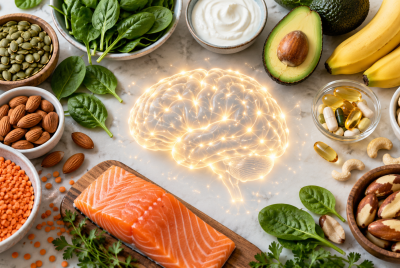
8 Anti-Inflammatory Supplements That Support Brain Longevity
We may earn a commission for purchases made using our links. Please see our disclosure for more details.
Inflammation is part of the body’s natural immune system, but when it gets out of hand, it could do more than just harm your joints and muscles. Chronic inflammation can also tax your brain, potentially affecting your ability to focus, your memory, and even your long-term cognitive health. That’s why a lot of nootropics and healthy aging enthusiasts are turning their attention to anti-inflammatory supplements. In this article, we discuss 8 supplements that could help support brain longevity, what they do, and what to consider before you add them to your regimen.
Why Inflammation Matters for Brain Longevity
Your brain is a powerhouse of energy. It requires constant blood flow, balanced nutrients, good fats, oxygen, and a lack of oxidative stress. If inflammation is long-term, it can put additional strain on neurons in the brain and the networks through which they communicate.
That does not mean one supplement can “stop aging.” It cannot.
A better way to think about it is this: brain longevity comes from stacking small protective habits over time. Nutrition, sleep, exercise, learning, social connection, and smart supplementation can all play a role.
If you already use or research biohacking supplements for brain health, anti-inflammatory support is a smart category to understand.
1. Omega-3 Fatty Acids
Omega-3 fatty acids are among the most talked-about supplements for brain health, and for good reason. The two key forms are EPA and DHA. DHA is especially important because it helps support brain cell membranes, while EPA is often discussed for its role in inflammation balance.
Fatty fish like salmon, sardines, and mackerel are excellent food sources. However, many people do not eat fish often enough to meet their needs. That is where a high-quality fish oil or algae-based omega-3 supplement may help.
The NIH Office of Dietary Supplements offers a helpful overview of omega-3 fatty acids and their role in health.
What to Look For
Choose products that clearly list EPA and DHA amounts, not just “fish oil” on the label. Third-party testing is also a big plus because fish oil quality can vary.
If you take blood thinners or have surgery scheduled, ask your doctor before using high-dose omega-3 supplements.
2. Curcumin
Curcumin is the key natural compound that gives turmeric much of its wellness value. It is popular because it may help support a healthy inflammatory response and antioxidant activity.
Here is the catch: curcumin does not absorb well on its own. Many formulas include black pepper extract, also called piperine, or use special delivery systems like phytosome technology to improve absorption.
A 2024 systematic review looked at curcumin, cognitive function, and inflammatory biomarkers, making it one of the more relevant ingredients in the brain longevity conversation.
What to Look For
Choose curcumin formulas designed for better absorption. Also, be careful if you take blood thinners, diabetes medications, or medications that affect the liver. The National Center for Complementary and Integrative Health also notes that turmeric supplements can cause digestive side effects in some people, so start thoughtfully.
3. Magnesium
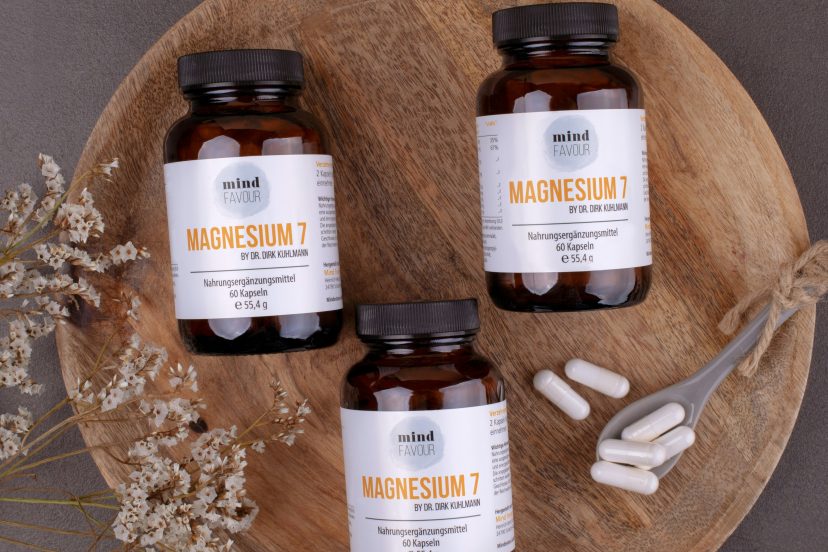
Magnesium plays a role in many important functions that help the body work properly. For brain health, it matters because it plays a role in nervous system function, muscle relaxation, sleep quality, and stress response.
Many people connect magnesium with calmness, and that makes sense. Poor sleep and chronic stress can increase inflammation, so supporting relaxation may indirectly help the brain over time.
Best Forms to Consider
Magnesium glycinate is often chosen for relaxation and general support. Magnesium threonate is popular in the nootropic world because it is marketed for brain support, although it often costs more.
Taking a large amount of magnesium at one time may cause discomfort, so it is best to use it carefully. High doses may cause loose stools or stomach discomfort.
4. Vitamin D
Vitamin D acts more like a hormone than a basic vitamin. It helps regulate immune function, and that makes it relevant to inflammation and long-term brain wellness.
Low vitamin D levels are common, especially for people who spend a lot of time indoors or get limited sun exposure. However, more is not always better. Vitamin D is fat-soluble, meaning your body can store it.
What to Look For
The smartest move is to test your vitamin D level before taking higher doses. Many people choose vitamin D3, sometimes paired with vitamin K2. Still, your ideal dose depends on your blood level, diet, sun exposure, and medical history.
5. Green Tea Extract
Green tea is rich in plant-based antioxidants known as catechins. The most famous one is EGCG, which is known for antioxidant support.
Green tea also provides L-theanine, a natural amino acid often associated with relaxed mental clarity. That combination is one reason green tea feels different from coffee. It can feel smoother and less jittery for some people.
What to Look For
Green tea extract can be useful, but it should not be overdone. Concentrated extracts may be harsh for some people, especially when taken on an empty stomach.
If you are sensitive to caffeine, choose a decaffeinated version or drink brewed green tea instead.
6. Resveratrol
Resveratrol is a polyphenol found in grapes, berries, peanuts, and red wine. It gets attention for its connection to healthy aging and cellular stress response.
In the brain health space, resveratrol is interesting because it may support antioxidant pathways and blood vessel health. Since the brain depends heavily on circulation, that connection matters.
What to Look For
Many supplements use trans-resveratrol, which is the form most often highlighted on labels. Since resveratrol can interact with some medications, especially blood-thinning drugs, it is worth checking with a healthcare professional first.
Also, do not use red wine as a “brain supplement.” Alcohol can work against brain longevity when overused.
7. CoQ10
CoQ10 is a compound your body makes naturally. It helps your cells produce energy, especially in the mitochondria. Since your brain uses a lot of energy, mitochondrial support is a major topic in brain aging.
CoQ10 also has antioxidant properties, which makes it useful in the broader anti-inflammatory supplement category.
What to Look For
CoQ10 comes in two common forms: ubiquinone and ubiquinol. Ubiquinol is often marketed as the more absorbable form, especially for older adults.
Because CoQ10 is fat-soluble, it is best taken with a meal that contains some healthy fat.
8. Lion’s Mane Mushroom
Lion’s mane mushroom has become a favorite in the nootropic world. It is often discussed for memory, focus, and nerve health support.
This mushroom contains compounds that researchers are studying for their possible effects on nerve growth factor and brain cell communication. The evidence is still developing, but it is one of the more interesting natural options for people focused on brain longevity.
What to Look For
Choose products that clearly state whether they use fruiting body, mycelium, or both. Fruiting body extracts are often preferred by supplement buyers because they tend to provide more mushroom-specific compounds.
People with mushroom allergies should stay away from lion’s mane or other mushroom-based supplements.
How to Choose Anti-Inflammatory Supplements Safely
Supplements can be helpful, but they deserve respect. Natural does not always mean risk-free.
Before buying anything, check these details:
- Look for third-party testing.
- Read the serving size carefully.
- Avoid mega-dose formulas unless your doctor recommends them.
- Check for medication interactions.
- Choose brands that clearly list active ingredients.
- Stop using anything that causes unusual side effects.
Introduce supplements gradually instead of starting several new ones at the same time. If you start five products in the same week and feel off, you will not know which one caused the problem.
Conclusion
Promoting brain health isn’t about popping one magic pill. It is developing a regimen that shields your brain against the stress of everyday life, malnourishment, aging, and systemic inflammation. Anti-inflammatory supplements may provide beneficial support when used appropriately. Yet they do best when combined with nourishing food, sound sleep, physical activity, emotional balance, and regular medical oversight. Start with your biggest health gaps, choose high-quality products, and remember that long-term brain health is built through consistent, thoughtful choices.
FAQs
1. What are the best Anti-Inflammatory Supplements for brain health?
Omega-3 fatty acids, curcumin, magnesium, vitamin D, green tea extract, resveratrol, CoQ10, and lion’s mane are all popular options. The best choice depends on your health goals, diet, lab results, and medication use.
2. Can supplements reduce brain inflammation?
Some supplements may support a healthier inflammatory response, but they do not diagnose, treat, or cure brain inflammation. If you have symptoms or a medical condition, speak with a healthcare provider.
3. Is curcumin good for brain longevity?
Curcumin is interesting because it may support antioxidant and anti-inflammatory pathways. However, absorption matters. Look for formulas designed for better bioavailability, and check for medication interactions.
4. Should I take omega-3 every day?
Many people take omega-3 daily, especially if they do not eat fatty fish often. However, the right dose depends on your diet and health status. Ask your doctor if you take blood thinners or have a bleeding disorder.
5. Can I combine several anti-inflammatory supplements?
You can, but it is better to start slowly. Add one supplement at a time and watch how your body responds. Combining too many products can increase the risk of side effects or interactions.